

How can we help today?
Choose an option to see quick actions and get help faster.Furnace Replacement in Scottsville, KY
Furnace Replacement in Scottsville, KY
Furnace Replacement in Scottsville, KY
Is Your Furnace Ready for the Scottsville Winter?
As Scottsville temperatures dip, a reliable heating system isn't just a comfort—it's a necessity. If your furnace isn't keeping up, it might be time for a replacement. Contact Carter Heating and Cooling today to schedule an estimate or discuss financing options.
When your heating system fails or operates inefficiently, you face rising utility costs and the risk of a breakdown during the coldest nights of the year. We provide a solution that restores warmth and safety to your home immediately.
- Expert installation by certified technicians—get your new furnace up and running in no time.
- Transparent pricing with no hidden fees—know exactly what you're paying for.
- 24-hour emergency service available to ensure you're never left in the cold.
All installations are backed by our satisfaction guarantee and comply with local building codes.
Ensuring Warm Homes and Efficient Heating
Winter weather in south-central Kentucky can be unpredictable, dropping to freezing temperatures quickly. A furnace that struggles to maintain a consistent temperature is more than an annoyance; it is a financial drain and a potential safety hazard. Homeowners often endure uneven heating, strange noises, or rapidly cycling systems before realizing the unit has reached the end of its lifespan.
Replacing a furnace is a significant investment, but it yields immediate returns in comfort and energy reduction. Modern systems are designed to operate with much higher Annual Fuel Utilization Efficiency (AFUE) ratings than units manufactured even ten years ago. Upgrading now ensures that your home remains habitable and comfortable regardless of how low the thermometer drops in Scottsville.
We focus on matching the specific heating load of your home with the correct equipment. An oversized unit will short-cycle, leading to wear and tear, while an undersized unit will run continuously without ever reaching the set temperature. Proper sizing ensures longevity for the equipment and consistent warmth for the occupants.
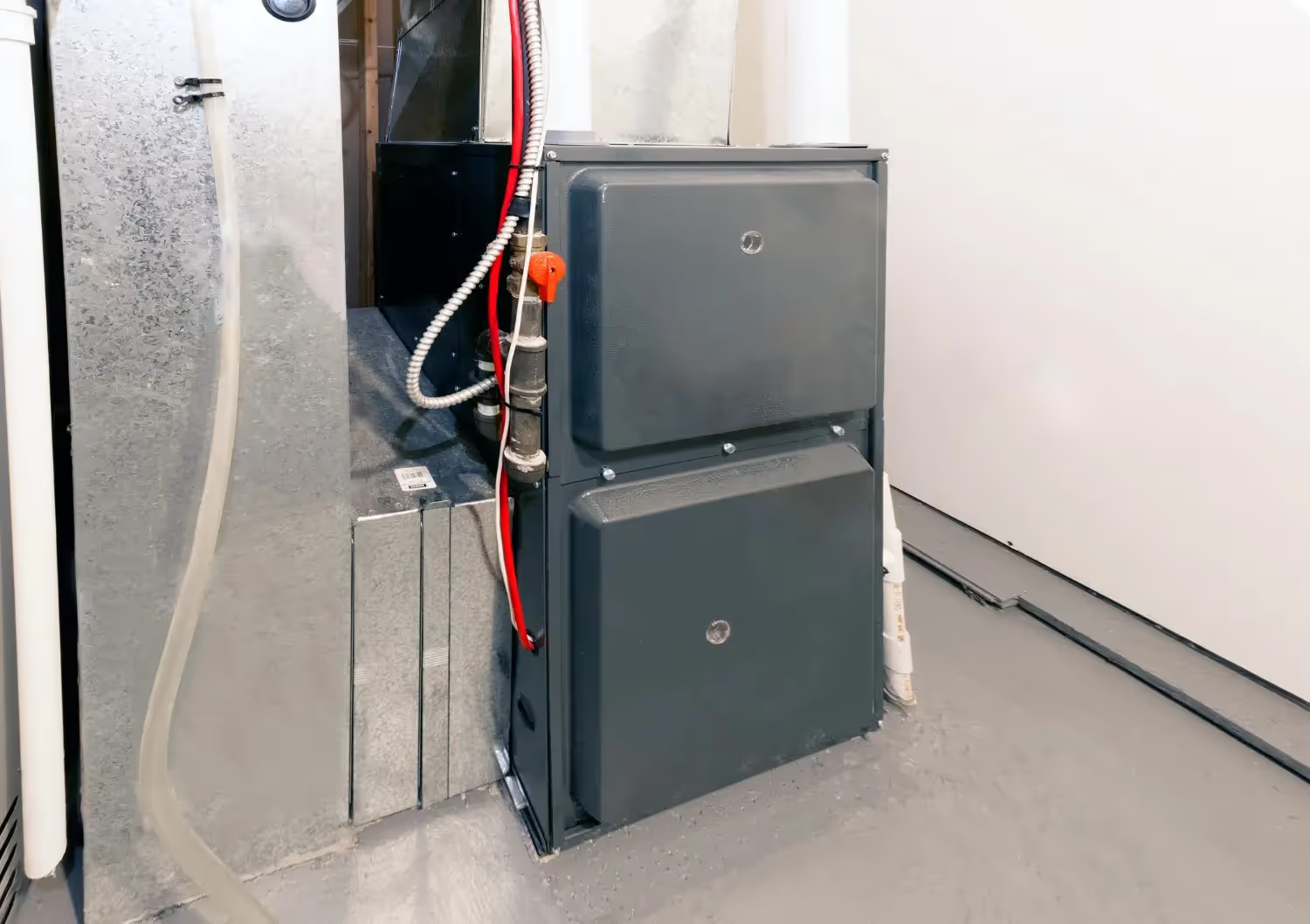
What to Expect with Your Furnace Replacement
Choosing to replace a furnace involves more than simply swapping one box for another. It is a comprehensive service that evaluates the entire heating infrastructure of your home to ensure the new unit performs at peak capacity. When you schedule a replacement, the goal is to improve the overall air quality and thermal regulation of the living space.
The timeline for a standard replacement is typically efficient, often completed within a single day to minimize disruption to your daily routine. However, the scope of work includes several critical phases that ensure the safety and legality of the installation.
- Site Evaluation: Technicians assess the current setup, including ductwork integrity, gas line condition, and electrical capacity.
- Protection of Property: Drop cloths and floor protectors are used to ensure that moving heavy equipment does not damage flooring or entryways.
- System Sizing: A Manual J load calculation is performed to determine the exact BTU requirements based on square footage, insulation levels, and window efficiency.
- Safe Removal: The old unit is disconnected from utilities and removed from the premises for proper disposal or recycling.
- New Unit Integration: The new furnace is connected to the existing plenum and return air drops, often requiring custom sheet metal fabrication for an airtight seal.
Our Furnace Installation Process, Step-by-Step
A systematic approach to installation prevents future breakdowns and ensures the manufacturer’s warranty remains valid. We adhere to strict protocols that align with industry best practices and Kentucky state codes.
- Initial Assessment and Sizing: The process begins with a technical assessment. We do not guess the size of the furnace you need. We measure the home's thermal characteristics. This step is crucial because energy efficiency improvements, such as new windows or added insulation, may mean your home requires a smaller, more efficient furnace than the one being replaced.
- Area Preparation and Safety Checks: Before any equipment is moved, the workspace is prepped. Technicians turn off gas and electrical supplies to the heating unit. We verify that the area is clear of debris and that there is a safe path for removing the bulky, decommissioned equipment.
- Disconnecting the Old System: The existing furnace is carefully disconnected. This involves uncapping gas lines, disconnecting high-voltage and low-voltage electrical wiring, and detaching the unit from the flue pipe. Care is taken to prevent any release of soot or debris into the home.
- Ductwork Inspection and Modification: Once the old unit is out, the exposed ductwork is inspected. Carter Heating and Cooling technicians check for leaks, rust, or blockages in the plenum. If the new unit has different dimensions than the old one, we fabricate transition fittings to ensure a smooth, airtight connection that facilitates proper airflow.
- Equipment Installation: The new furnace is positioned and leveled. Leveling is vital for proper drainage, especially in high-efficiency condensing furnaces that produce condensate water. The unit is then secured to the floor or suspension rods to minimize vibration and noise.
- Utility Connections: Gas lines are reconnected using new drip legs and shut-off valves where necessary. Electrical connections are re-established, ensuring the polarity and grounding meet the specifications of the new control board. The thermostat is wired in, and if a smart thermostat is part of the upgrade, it is configured at this stage.
- Venting and Drainage: The flue pipe is connected to the new unit. For high-efficiency models, PVC venting is run to the exterior of the home, ensuring that combustion gases are safely expelled. Condensate drains are routed to a floor drain or condensate pump to handle the moisture produced during the heating process.
- Commissioning and Testing: The final step is commissioning the system. The gas pressure is adjusted to the manufacturer's specifications. The temperature rise (the difference between air entering and leaving the furnace) is measured to ensure it falls within the recommended range. Finally, a complete safety check helps verify that there are no gas leaks and that carbon monoxide levels are zero.
Deciding Between Furnace Repair and Replacement
Determining whether to repair an aging unit or invest in a new one is a common dilemma. While repairs may seem cheaper upfront, they can be cost-prohibitive in the long run if the unit is nearing the end of its service life.
- The Age of the Unit: If the furnace is over 15 years old, it has likely surpassed its expected lifespan. Parts for older models become scarce and expensive, and the efficiency of the unit has likely degraded significantly.
- The 50% Rule: A general industry standard suggests that if the cost of the repair approaches 50% of the cost of a new system, replacement is the more financially sound option.
- Rising Energy Bills: A steady increase in heating costs, despite usage remaining the same, indicates the furnace is losing efficiency. Newer models utilize fuel much more effectively, leading to lower monthly bills.
- Frequent Breakdowns: If you have required multiple service calls in the last two years, the system is becoming unreliable. The cumulative cost of minor repairs often outweighs the monthly financing cost of a new system.
- Safety Concerns: Cracks in the heat exchanger are a non-negotiable reason for replacement. This component separates the combustion process from the air you breathe. A crack can allow carbon monoxide to leak into the home, posing a severe health risk.
- Uneven Heating: If some rooms are freezing while others are hot, the furnace may no longer have the blower capacity to distribute air evenly, or the heat exchanger may be failing.
Compliance and Permits in Scottsville
Replacing a furnace involves interacting with local infrastructure and adhering to safety regulations. In Scottsville and the surrounding county areas, specific codes dictate how heating equipment must be installed to ensure occupant safety.
- Permitting Requirements: Most furnace replacements require a permit to ensure the work is done by a licensed professional. This process creates a record of the improvement and often triggers a third-party inspection to verify compliance.
- Gas Line Safety: Kentucky has strict regulations regarding gas piping. Any modification to the gas line during installation must be pressure-tested to ensure there are no leaks. This is critical for preventing fire hazards.
- Electrical Codes: The dedicated circuit powering the furnace must meet current electrical codes. Older homes may require updates to the breaker panel or wiring gauge to support modern, high-efficiency blowers.
- Venting Regulations: Improper venting is a leading cause of carbon monoxide poisoning. Codes dictate the type of venting material used, the clearance from windows and doors, and the slope of the pipe to prevent condensate backflow.
- Local Climate Factors: Scottsville sees significant rainfall and humidity. We ensure that venting penetrations are sealed against moisture intrusion and that outdoor components (if installing a hybrid heat pump system) are elevated above potential snow lines or standing water.
Why Choose Us for Your Heating Needs?
When it comes to furnace replacement, the quality of the installation is just as important as the brand of the equipment. A top-tier furnace installed poorly will fail prematurely and operate inefficiently — read our reviews. We prioritize technical precision and adherence to manufacturer specifications to ensure your investment lasts.
We employ technicians who understand the nuances of airflow and combustion analysis. We do not use subcontractors; our team is trained in-house to maintain high standards of quality control. We provide detailed explanations of how to operate your new system, including how to change filters and program thermostats for maximum savings.
Furthermore, we handle the logistics of the project from start to finish. This includes pulling necessary permits, registering the equipment for warranty coverage, and leaving the workspace cleaner than we found it. Our focus is on providing a seamless transition to a better heating solution.
Call Us Now!
Your home’s comfort and safety are our priority. Do not wait for a complete system failure during the next freeze. Secure your home's warmth for the long term—contact us today to schedule your furnace replacement consultation.

Great Service at a Fair Price
Veterans Discount


Senior Discount

Law Enforcement

Fire fighters/ems

Hear From Your Neighbors!
Hear from your neighbors to see how our commitment to dependable service and lasting comfort has made a difference in their homes.