
How can we help today?
Choose an option to see quick actions and get help faster.Air Conditioning Repair in Scottsville, KY
Air Conditioning Repair in Scottsville, KY
Experiencing AC failure in Scottsville during a heatwave? Contact us for swift AC repair services and restore your home comfort with our professional technicians.
AC System Failure During a Heatwave Demands Immediate Professional Attention
Hot, humid Kentucky summers can push your air conditioning system to its absolute limits, often causing breakdowns right when you need relief the most. When your AC falters, you need swift, reliable repair to restore your home’s comfort before the heat becomes unbearable. Contact us to schedule a diagnostic visit or discuss financing options immediately.
Carter Heating and Cooling understands that a broken air conditioner in Scottsville is more than an inconvenience; it is an emergency that affects your safety and quality of life. We prioritize rapid response times to ensure your system is back up and running efficiently.
- Get same-day service with our expert technicians to minimize downtime.
- Benefit from our 24-hour availability to handle unexpected emergencies.
- Enjoy peace of mind with our full warranty on all repairs performed.
All services are fully licensed, meeting local codes and regulations.
Immediate Steps to Restore Cooling Performance
When your air conditioning unit stops working effectively, the immediate goal is to identify the root cause and implement a fix that lasts. We focus on arriving at your property fully prepared to handle the vast majority of cooling issues in a single visit. Our service trucks are stocked with universal parts and diagnostic tools, allowing us to address electrical failures, refrigerant leaks, and airflow obstructions on the spot.
Upon arrival, a technician will perform a comprehensive system assessment. This involves checking thermostat communication, measuring refrigerant levels, and inspecting the electrical components such as capacitors and contactors. You receive a clear explanation of the failure and a transparent quote for the necessary repairs before any work begins. There is no guesswork involved; we utilize industry-standard diagnostic equipment to pinpoint exactly why your system is failing to combat the humid Scottsville climate.
Common issues addressed during an initial service call include:
- Capacitor Replacement: The start and run capacitors are frequently the first components to fail during high-heat stress. We carry high-quality replacements to restore compressor and fan function immediately.
- Refrigerant Charge Correction: Low refrigerant levels indicate a leak or improper initial charge. We locate the leak, repair the seal, and recharge the system to manufacturer specifications.
- Contactor and Relay Repair: Worn electrical contacts can prevent the outdoor unit from turning on. We replace these affordable components to restore power flow.
- Drain Line Clearing: High humidity leads to significant condensate production. A clogged drain line can trigger safety switches that shut down the unit. We clear these lines and treat them to prevent algae growth.
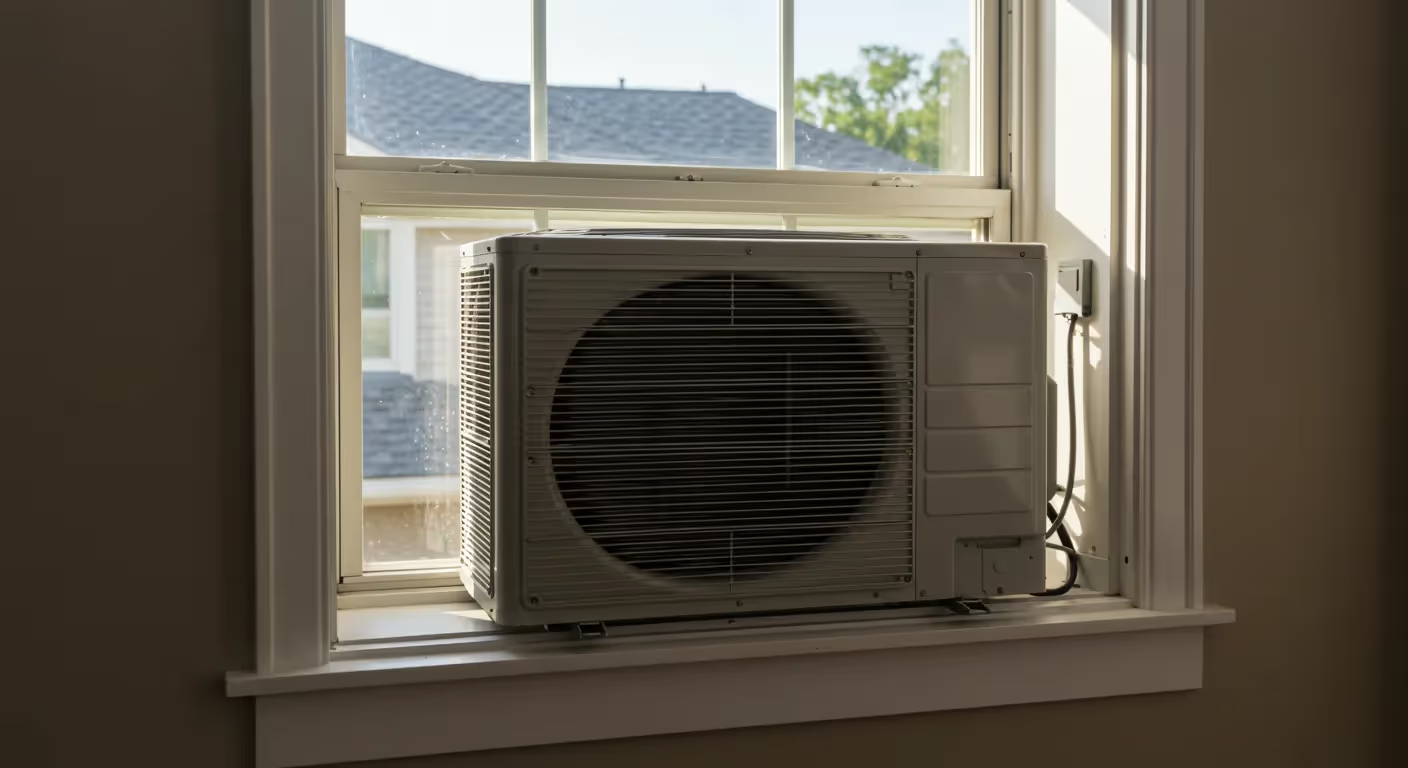
The Air Conditioning Repair Process
Understanding the workflow of a professional repair helps you know what to expect from the moment you notice an issue until the cool air returns. We follow a structured protocol designed to be efficient and thorough, ensuring no underlying issues are missed during the repair.
- Triage and Dispatch: The process begins when you report the issue. Our dispatch team prioritizes calls based on urgency and technician availability. You will receive a notification when a technician is en route to your location.
- Site Protection and Access: Upon arrival, the technician respects your property by using shoe covers and protective mats where necessary. Access to both the indoor air handler and the outdoor condenser unit is established to perform a full system loop check.
- Diagnostic Testing: We utilize multimeters and pressure gauges to test the electrical and mechanical status of the system. This step differentiates a simple part failure from a major system breakdown.
- Quote Presentation: Once the issue is identified, you are presented with a written quote detailing the cost of parts and labor. We explain the repair options available so you can make an informed decision without pressure.
- Execution of Repair: After approval, the technician performs the repair. This involves removing the faulty component, installing the new part, and securing all connections.
- System Verification: The repair is not considered complete until the system has completed a full cycle. We measure the temperature drop across the evaporator coil (the "delta T") to ensure the unit is actually cooling the air, not just blowing air.
- Cleanup and Reporting: All old parts and packaging are removed from your property. The technician updates your service record with the work performed, which is vital for maintaining warranty compliance.
When to Repair vs. When to Replace Your System
Deciding whether to pour money into a repair or invest in a new system is a critical financial decision. While our primary goal is to repair your existing unit, there are mathematical and practical thresholds where replacement becomes the more prudent option. We provide the data, but the decision remains yours.
Consider the following factors when weighing your options:
- The Age of the Unit: Most air conditioning systems have a lifespan of 10 to 15 years. If your unit is over 12 years old and requires a major repair (like a compressor replacement), the cost of repair often outweighs the value of the remaining service life.
- Refrigerant Type: If your system utilizes R-22 (Freon), which has been phased out, repair costs involving refrigerant will be astronomically high. Upgrading to a system that uses R-410A or newer refrigerants is often the only logical financial move.
- Frequency of Breakdowns: If you have required repairs more than twice in the last two years, the system is likely entering a phase of rapid decline. Continued repairs often result in a "money pit" scenario.
- Energy Efficiency (SEER Rating): Older units may operate at 10 SEER or lower. Modern units start at 13 or 14 SEER and go much higher. The energy savings from a new unit can sometimes offset the monthly financing cost of a replacement.
- The 5,000 Rule: A common industry formula is to multiply the age of the unit by the cost of the repair. If the total exceeds $5,000, replacement is generally recommended. For example, a 12-year-old unit with a $500 repair equals $6,000, suggesting replacement is safer.
Carter Heating and Cooling provides honest assessments based on these metrics, ensuring you do not spend money repairing a unit that will fail again shortly.
Local Factors Affecting AC Performance
Operating an air conditioner in this region presents specific challenges that generic advice often misses. The local climate and infrastructure influence how systems perform and what types of failures are most common.
- High Humidity Management: The summers here are characterized by high humidity. An air conditioner must run long enough to dehumidify the air, not just cool it. Oversized units or units with "short cycling" issues will leave the home feeling clammy and cold. Proper repair often involves adjusting blower speeds to maximize moisture removal.
- Utility Considerations: Electrical storms and fluctuations in the local power grid can damage sensitive AC electronics. We often recommend or install surge protectors specifically designed for HVAC equipment to prevent frying control boards during summer thunderstorms.
- Biological Growth: The combination of heat and moisture creates an ideal environment for mold and algae in condensate lines. Local repairs frequently involve clearing thick blockages that trigger overflow safety switches, shutting down the system to prevent water damage.
- Permitting and Codes: While minor repairs typically do not require permits, significant alterations or system replacements must adhere to local building codes. We ensure all work performed complies with safety standards regarding electrical connections and refrigerant handling.
Why Professional Diagnostics Are Critical
Attempting to troubleshoot an air conditioning system without professional training can be dangerous and costly. Modern HVAC systems involve high-voltage electricity, high-pressure gases, and complex electronics. A professional diagnostic ensures that the symptom is not mistaken for the cause.
- Accurate Root Cause Analysis: A blown capacitor might be a symptom of a failing fan motor or a hard-starting compressor. Simply replacing the capacitor without checking the motor amp draw will result in another failure days later. We identify the underlying stressor.
- Safety Protocols: Handling refrigerant requires EPA certification. Venting refrigerant is illegal and harmful to the environment. Furthermore, working with 240-volt circuits poses a severe electrocution risk to untrained individuals.
- Warranty Preservation: Most equipment manufacturers require proof of professional service to honor parts warranties. DIY repairs or repairs performed by unlicensed handymen can void the manufacturer's warranty, leaving you liable for expensive component failures in the future.
- Access to OEM Parts: We source Original Equipment Manufacturer (OEM) parts or high-grade universal replacements that meet or exceed specific engineering standards. Retail parts available to consumers often lack the durability required for the intense workload of a Kentucky summer.
Securing Your Comfort Today
A malfunctioning air conditioner requires immediate, decisive action. Ignoring strange noises, weak airflow, or warm air from vents will only lead to catastrophic system failure, likely during the hottest part of the day. You need a partner who can assess the situation accurately, provide a clear path to resolution, and execute the work with technical precision.
We are committed to restoring your environment to a safe and comfortable temperature. Whether it is a simple electrical fix or a complex compressor intervention, we have the tools and the training to get the job done right the first time.
Don't let the heat compromise your home any longer.
Contact us today to schedule your air conditioning repair service.

Great Service at a Fair Price
Veterans Discount


Senior Discount

Law Enforcement

Fire fighters/ems

Hear From Your Neighbors!
Hear from your neighbors to see how our commitment to dependable service and lasting comfort has made a difference in their homes.