

How can we help today?
Choose an option to see quick actions and get help faster.Heat Pump Replacement in Scottsville, KY
Heat Pump Replacement in Scottsville, KY
Seeking reliable heat pump replacement in Scottsville? Ensure your home's comfort with our swift, expert services. Contact us today for a quick assessment!
Restore Consistent Comfort to Your Home With a New Heat Pump System
Experiencing uneven heating or unexpected breakdowns can be stressful during Scottsville's unpredictable weather, where humidity spikes and frost hits without warning. You need a reliable, swift replacement to ensure your comfort is restored immediately. Contact us today to schedule your assessment or discuss available financing options.
- Expect a quick, expert assessment and transparent pricing.
- New heat pump installations tailored to your home's specific heating and cooling load.
- Same-day service available to get you back to comfort faster.
All installations are compliant with local codes and include comprehensive warranties for your peace of mind. Carter Heating and Cooling ensures your system is set up for long-term performance from day one.
What to Expect From Your Heat Pump Replacement
When you invest in a heat pump replacement, you are purchasing more than just a piece of equipment; you are securing year-round climate control that handles both cooling and heating efficiently. A modern heat pump system serves as the primary defense against the humid subtropical climate in our region, managing indoor moisture levels during the summer and providing steady warmth when the first frosts arrive in late October.
The scope of a replacement project involves a comprehensive evaluation of your current infrastructure. It is not enough to simply swap out an old box for a new one. The existing ductwork, electrical connections, and refrigerant lines must be inspected to ensure they can support the higher pressure and efficiency standards of modern equipment.
Upon selecting a new system, the service focuses on minimizing disruption to your daily routine. The goal is to transition from a failing system to a fully operational unit with minimal downtime. This includes the safe recovery of old refrigerant, the removal and disposal of the previous unit, and the precise placement of the new equipment. You receive a system that operates quieter, uses less energy, and provides more consistent temperatures than the unit being replaced — read our reviews.
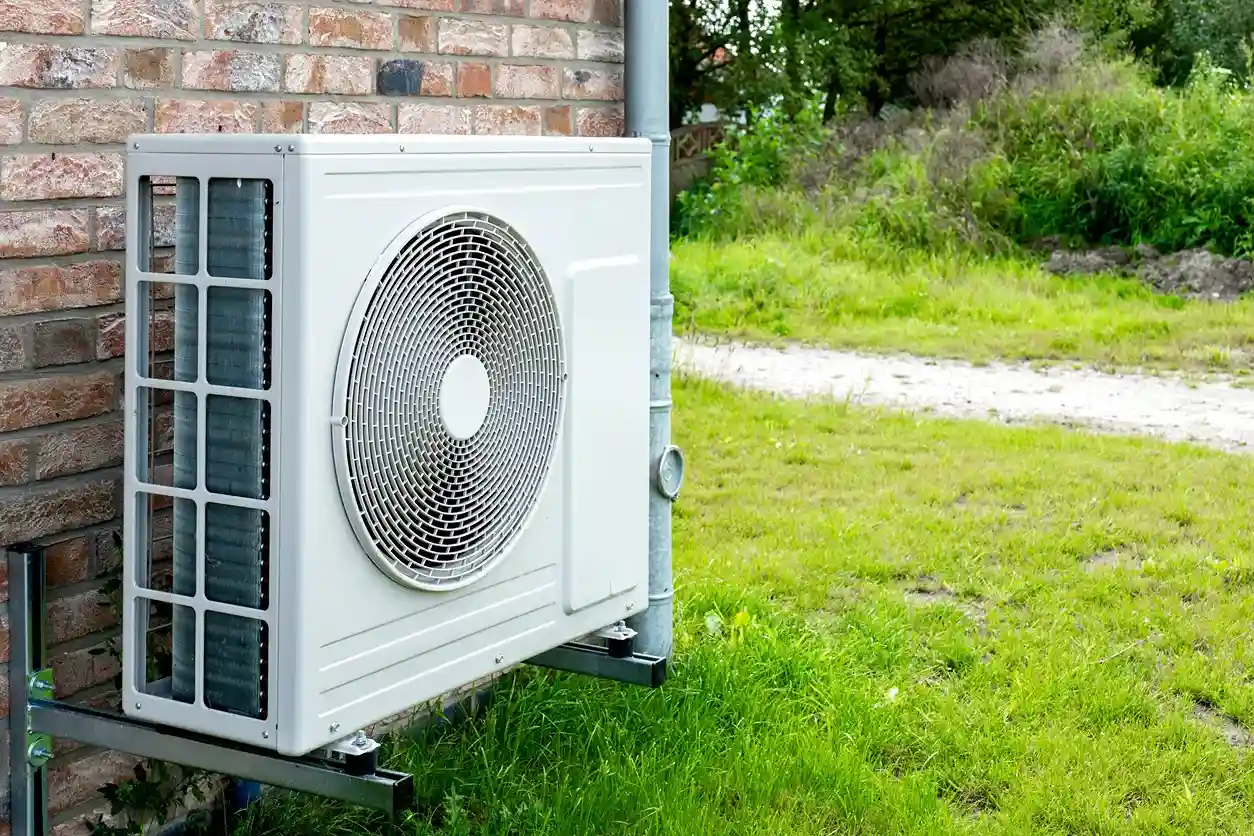
The Installation Process: From Assessment to Airflow
A professional installation follows a strict protocol to ensure the longevity of the equipment — join our maintenance plan. Skipping steps or rushing the process can lead to reduced efficiency and premature component failure. The process is designed to bring your home back to optimal comfort levels systematically.
Load Calculation and Sizing
The process begins with a Manual J load calculation. This determines the exact heating and cooling requirements of your specific living space. Factors such as square footage, window placement, insulation levels, and local weather patterns in Scottsville are analyzed. This step ensures the unit is neither undersized (which causes it to run constantly) nor oversized (which causes short-cycling and poor humidity control).
Site Preparation and Protection
Technicians prepare the workspace to protect your property. Drop cloths are laid down, and the area around the indoor and outdoor units is cleared. Safety checks are performed on the electrical panel to verify it can handle the amperage requirements of the new heat pump.
Refrigerant Recovery and Removal
Before the old unit can be moved, the existing refrigerant is recovered according to EPA standards. This is a critical environmental and safety step. Once the system is empty, the old outdoor condenser and indoor air handler are disconnected and removed from the premises.
Positioning the New Equipment
The new outdoor unit is placed on a level pad to ensure proper operation and drainage. It is positioned to allow for adequate airflow and service access. Indoors, the air handler is secured and sealed to the existing supply and return plenums to prevent air leakage.
Line Set and Electrical Connection
New copper refrigerant lines are either installed or existing lines are flushed and brazed to the new equipment. High-voltage wiring is connected to the disconnect box, and low-voltage control wiring is connected to the thermostat. A new filter drier is installed to absorb any moisture or contaminants in the system.
System Evacuation and Charging
A vacuum pump is used to remove air and moisture from the refrigerant lines. This creates a vacuum deep enough to ensure the system is perfectly sealed. Once the vacuum holds, the factory-specified amount of refrigerant is released into the system. Fine-tuning the charge is essential for hitting the manufacturer’s efficiency ratings.
Testing and Commissioning
The final step involves a complete system startup. Technicians verify airflow, check static pressure, and test the heating and defrost cycles. The thermostat is programmed, and the temperature difference (delta T) across the coil is measured to confirm the unit is exchanging heat effectively.
Deciding Between Repair and Replacement
Determining whether to sink more money into an aging unit or invest in a replacement is a common dilemma. While repairs can offer a short-term fix, there comes a point where replacement is the more financially sound decision. Understanding the technical and financial thresholds for this decision helps homeowners avoid throwing money at a dying system.
The Age of the System
Heat pumps generally have a lifespan of 10 to 15 years. As a system approaches or exceeds this age range, major components like the compressor and reversing valve begin to wear out. Even if the unit is currently running, the risk of a catastrophic failure increases significantly after the decade mark.
Frequency and Cost of Repairs
If you have required multiple repairs in the last two years, the system is likely unreliable. A general guideline is the "50% Rule": if the cost of the repair approaches 50% of the value of a new system, replacement is the better option. Continued repairs on a degrading system often result in higher cumulative costs than a new installation.
Rising Energy Bills
As heat pumps age, they lose efficiency due to coil corrosion, compressor wear, and motor degradation. If your energy bills have been steadily climbing despite normal usage, the system is working harder to provide the same amount of comfort. New systems utilizing higher SEER2 and HSPF2 ratings can significantly reduce monthly operational costs.
Comfort Issues and Humidity Control
If some rooms are hot while others are cold, or if the house feels sticky during the summer, the heat pump is failing to circulate and condition the air properly. Inconsistent temperatures and an inability to dehumidify are clear signs that the compressor or blower motor is no longer performing to specification.
Refrigerant Type
Older systems often utilize R-22 refrigerant, which has been phased out and is incredibly expensive to source. If an R-22 system develops a leak, the cost to recharge it often makes repair illogical. Modern systems use environmentally friendly refrigerants like R-410A or newer alternatives, which are more efficient and readily available.
Navigating Local Requirements and Climate Factors
Installing a heat pump in this region requires specific attention to local climate data and building codes. The humid subtropical climate presents distinct challenges that the equipment must be configured to handle.
Managing Humidity and Precipitation
Summers bring high humidity and frequent thunderstorms. A properly sized heat pump plays a crucial role in dehumidification. If a unit is oversized, it cools the house too quickly without running long enough to remove moisture, leading to a clammy indoor environment. Carter Heating and Cooling ensures systems are sized precisely to maintain comfortable humidity levels.
Winter Defrost Cycles
Winters here are mild but do see freezing temperatures and frost. Heat pumps must have a functioning defrost board to melt ice that accumulates on the outdoor coil. The installation must ensure the outdoor unit is elevated slightly above expected snow accumulation levels to prevent blockage and ensure the defrost cycle drains correctly.
Permits and Code Compliance
Replacement projects must adhere to local building and safety codes. This often involves obtaining a mechanical permit and, in some cases, an electrical permit if the circuit requirements have changed. Adhering to these codes ensures that the electrical connections are safe, the condensate drainage is routed correctly, and the unit meets local energy efficiency standards.
Ductwork Integrity
The performance of a new heat pump is directly tied to the condition of the ductwork. Leaky or poorly insulated ducts can result in a loss of up to 30% of conditioned air. An assessment of the duct system is standard practice to ensure the static pressure matches the blower capabilities of the new unit.
Why Reliable Installation Matters
The quality of the installation is just as important as the brand of the equipment. A top-tier heat pump installed incorrectly will perform worse than a budget model installed perfectly. Technical precision during the installation defines the efficiency, noise level, and lifespan of the system.
Improper refrigerant charging is a common issue with low-quality installations. If a system is undercharged, it freezes up; if it is overcharged, the compressor risks burning out. Similarly, brazing copper lines without flowing nitrogen can leave soot inside the pipes, clogging the metering device. These technical details are invisible to the homeowner but determine whether the system lasts five years or fifteen.
Choosing a service provider that guarantees their workmanship protects your investment. It ensures that warranty claims will be honored by the manufacturer, as most warranties require proof of professional installation. When the job is done right, the transition to a new system is seamless, resulting in immediate comfort improvement and lower energy consumption.
Why Choose Us
Experience and Expertise
Our team has strong, hands-on experience with modern heat pump systems. We understand how to size, install, and set up equipment correctly so your home stays comfortable and your system runs efficiently from the start.
Transparent and Honest Service
You can expect clear communication and straightforward recommendations. We explain what your home needs, avoid unnecessary upselling, and provide pricing that is easy to understand before any work begins.
Quality-Focused Installations
Every installation is completed with care, from the initial assessment to the final system check. This attention to detail helps your new heat pump run quietly, use less energy, and deliver consistent comfort throughout your home.
Commitment to Comfort
We tailor our work to your home’s layout and comfort goals. Whether it’s managing humidity in the summer or keeping your space warm in winter, our focus is always on giving you the best possible indoor comfort.
Secure Your Home Comfort Today
A failing heat pump compromises your comfort and inflates your utility bills. Waiting until the system fails completely can leave you stranded without heating or cooling when you need it most. Upgrading to a modern, efficient system provides consistent temperature control, improved air quality, and peace of mind regarding reliability.
Take control of your indoor climate. Contact us now to schedule your heat pump replacement consultation and restore efficiency to your home.

Great Service at a Fair Price
Veterans Discount


Senior Discount

Law Enforcement

Fire fighters/ems

Hear From Your Neighbors!
Hear from your neighbors to see how our commitment to dependable service and lasting comfort has made a difference in their homes.