
How can we help today?
Choose an option to see quick actions and get help faster.Ductless Inspection in Cave City, KY
Ductless Inspection in Cave City, KY
Ensure optimal performance and extend the lifespan of your mini-split system with our expert ductless inspection and service in Cave City. Schedule your service today!
Immediate Ductless System Inspection and Service
An inefficient mini-split system disrupts your comfort and drives up energy costs here in Cave City, requiring immediate attention from Carter Heating and Cooling. Contact us today or call to schedule a comprehensive system diagnostic that restores your indoor climate control.
- Receive a detailed system evaluation and diagnostic report within 24 hours of your service request.
- Access transparent pricing structures and flexible financing options for any necessary repairs or replacements.
- Restore peak performance and extend equipment lifespan with services performed by certified local HVAC experts.
All services are insured, licensed, and come with a customer satisfaction guarantee to ensure your peace of mind.
Comprehensive Diagnostic Scope for Ductless Systems
A ductless mini-split system operates differently than central forced-air HVAC, relying on sophisticated electronics and inverter technology to maintain temperature. When performance falters, a superficial glance is insufficient. A professional inspection dives deep into the mechanical and electrical components to isolate the root cause of issues such as water leaks, icing, weird noises, or failure to heat and cool.
The inspection process involves a rigorous checklist designed to uncover hidden inefficiencies before they evolve into total system failure. This is not merely a filter change; it is a full-system audit.
- Evaporator Coil Condition: The technician inspects the indoor evaporator coils for dirt, debris, and mold accumulation. Even a thin layer of dust acts as an insulator, preventing the coil from absorbing heat effectively. This forces the unit to run longer, increasing electricity usage and wear on the compressor.
- Blower Wheel Analysis: The cylindrical fan inside the wall unit creates the airflow. Over time, biological growth and dust can cake onto the fan blades, creating an imbalance. This leads to noisy operation, reduced air velocity, and potential motor burnout.
- Condensate Drain Line Clearance: Mini-splits remove significant moisture from the air, especially during humid Kentucky summers. If the drain line becomes clogged with algae or slime, water can back up and damage your walls or flooring. The inspection verifies that the drainage system is patent and flowing correctly.
- Refrigerant Charge and Pressure: Inverter-driven compressors require precise refrigerant levels to modulate speed efficiently. A technician measures superheat and subcooling levels to detect leaks or improper charging. Low refrigerant is a primary cause of frozen coils and poor thermal output.
- Electrical Connection Tightness: Vibration from normal operation can loosen electrical terminals over time. Loose connections create resistance, leading to heat buildup, melted wires, and circuit board failures. The inspection includes tightening all communication wires between the indoor and outdoor units.
- Inverter Board Testing: The brain of a ductless system is the inverter board. Diagnostic tools are used to check for error codes and ensure the board is sending the correct voltage signals to the compressor and fan motors.
- Filter Integrity: While homeowners should clean screens regularly, the inspection checks for tears or damage that allow particulate matter to bypass filtration and coat internal components.
- Outdoor Unit Airflow: The exterior condenser requires unobstructed airflow to dissipate heat. The inspection ensures that vegetation, debris, or structural issues are not choking the outdoor unit, which would otherwise lead to high head pressure and system tripping.
The Inspection and Service Protocol
Understanding the sequence of a professional service call helps homeowners prepare for the visit. The goal is to minimize disruption to your day while maximizing the thoroughness of the evaluation. Professional technicians follow a methodical process to ensure no component is overlooked.
- Arrival and Site Assessment: Upon arrival in Cave City, the technician will review the specific symptoms you are experiencing. They will ask about the history of the unit, recent performance changes, and any specific error codes displayed on the remote or unit interface.
- Power Down and Safety Lockout: To ensure safety, the system is powered down at the disconnect box. This allows the technician to open the cabinet and inspect high-voltage components without risk.
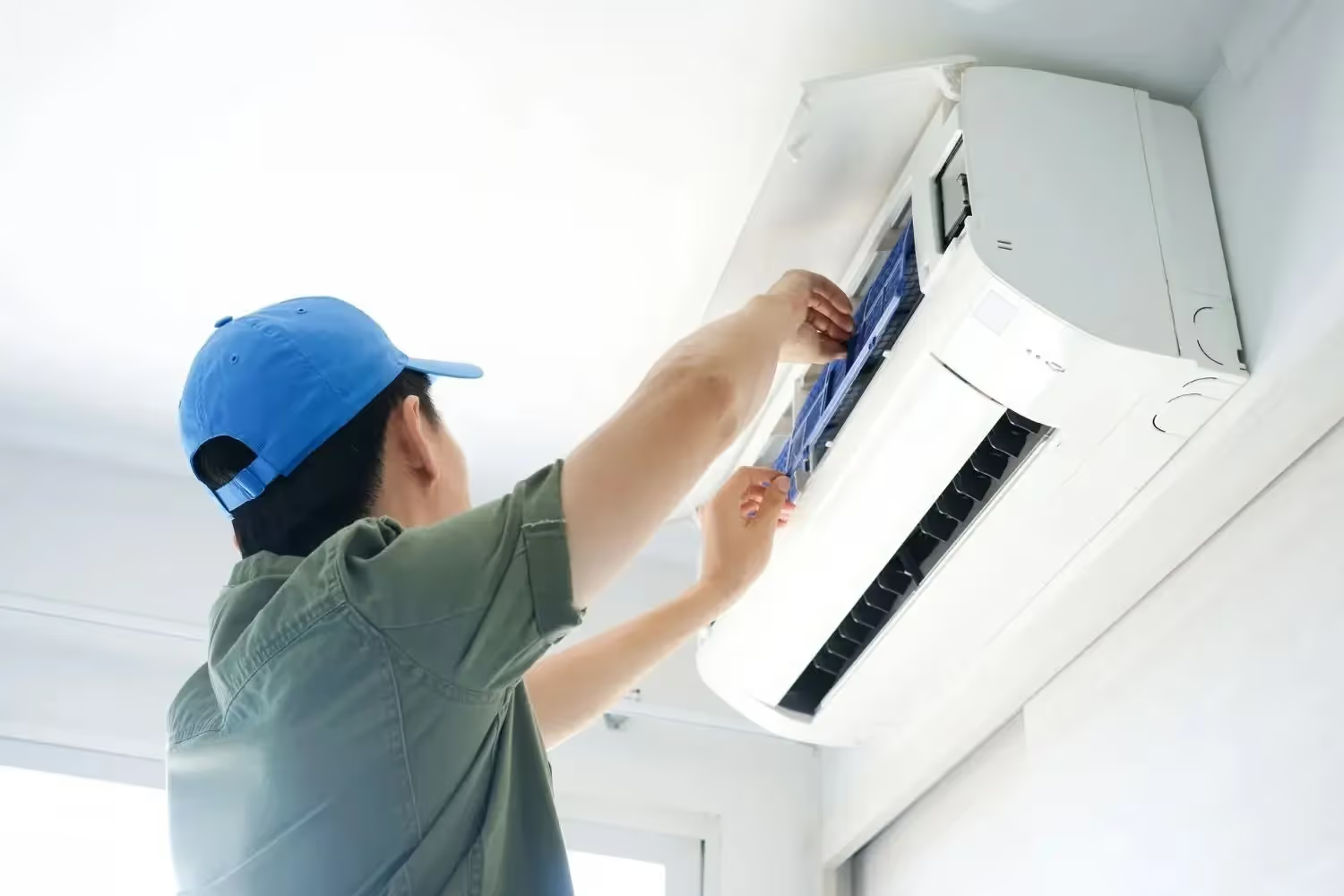
- Interior Component Evaluation: The front cover of the indoor handler is removed to access the filters, coil, and blower wheel. The technician visually inspects these areas for biological growth and particulate buildup.
- Exterior Component Testing: Attention shifts to the outdoor condenser. Gauges are attached to the service ports to read refrigerant pressures. The compressor amp draw is measured to ensure it is operating within the manufacturer’s specified range.
- System Operation Test: Power is restored, and the system is run in both cooling and heating modes (if weather permits). The technician measures the temperature split—the difference between the air entering the unit and the air blowing out. A healthy split indicates proper heat exchange.
- Drainage Verification: A small amount of water may be poured into the condensate pan to verify it drains immediately to the exterior without leaking inside the home.
- Reporting and Recommendations: Finally, the technician compiles a report detailing the findings. If repairs are needed, options are presented clearly, explaining the urgency of each issue.
Determining Whether to Repair or Replace Your Unit
Deciding between repairing an aging ductless system or investing in a new installation is a critical financial decision. While maintenance can extend the life of a unit, there comes a point of diminishing returns where replacement becomes the more economical choice.
Several factors influence this decision-making process.
- The 50% Rule: A common industry standard is to compare the cost of the repair against the value of the system. If the repair cost exceeds 50% of the price of a new unit, replacement is generally the smarter investment.
- Age of the Equipment: Most ductless mini-splits have a lifespan of 12 to 15 years. If your unit is over 10 years old and requires a major component replacement, such as a compressor or inverter board, putting money into a dying system is often unwise.
- Refrigerant Type: Older systems may utilize R-22 refrigerant, which has been phased out due to environmental regulations. Obtaining R-22 is difficult and expensive. If your older unit has a refrigerant leak, upgrading to a system that uses R-410A or newer refrigerants is necessary.
- Frequency of Breakdowns: If you have required multiple service calls in the last two years, the system is likely unreliable. Continued repairs will accumulate costs that could have gone toward a new, warrantied system.
- Efficiency Ratings: Heat pump technology improves annually. A modern ductless system may offer significantly higher SEER (Seasonal Energy Efficiency Ratio) ratings than a unit installed a decade ago. The energy savings from a high-efficiency replacement can offset the installation cost over time.
- Warranty Status: If the unit is out of warranty, you bear the full cost of parts and labor. New installations come with manufacturer warranties that protect you from these expenses for years.
Regional Factors Affecting Ductless Performance
Operating a ductless heating and cooling system in the specific climate of Cave City presents unique challenges that generic advice often misses. The local weather patterns and environmental conditions dictate specific inspection priorities.
- Humidity Management: Kentucky experiences hot, humid summers. Ductless systems are excellent at dehumidification, but this creates a high volume of condensate water. In this region, algae growth in drain lines is accelerated. Frequent inspections are required to prevent water damage from overflowing pans.
- Defrost Cycle Efficiency: Winters here bring freezing temperatures and occasional snow. Heat pumps must enter a "defrost cycle" to melt ice off the outdoor coils. If sensors are faulty or the unit is low on refrigerant, it may freeze up completely, leaving the home without heat. Verifying the defrost operation is a critical part of the cold-weather inspection.
- Particulate Matter and Pollen: The changing seasons bring varying levels of pollen and dust. Because ductless units recirculate room air constantly, the filters and blower wheels load up with debris faster than in other climates. This requires diligent cleaning to maintain air quality and airflow.
- Voltage Fluctuations: Regional power grids can experience fluctuations during storms or high-demand periods. Inverter boards are sensitive to voltage spikes. Ensuring that surge protectors are installed and functioning is vital for protecting the expensive electronics within the unit.
- Local Codes and Permits: Any significant repair that involves electrical alterations or refrigerant handling must comply with local building codes. Adhering to these regulations ensures safety and prevents issues when selling the home in the future.
Why Professional Diagnostics Matter
Many homeowners attempt to troubleshoot ductless issues by consulting online forums or cleaning the filters, hoping the problem resolves itself. However, modern mini-split systems are complex pieces of technology that require specialized tools and training to diagnose correctly.
Attempting DIY repairs on inverter-driven systems can lead to costly mistakes.
- Warranty Preservation: Most manufacturers strictly require that licensed professionals perform all service and repairs. DIY attempts or service by unlicensed individuals can void the warranty immediately, leaving you responsible for expensive parts.
- Electrical Safety: Ductless systems involve high-voltage electricity and communication wiring. Incorrect handling can result in electrocution, fire hazards, or frying the main control board.
- Refrigerant Handling: Handling refrigerant requires EPA certification. Venting refrigerant is illegal and harmful to the environment. Furthermore, overcharging or undercharging a system by even a small amount can drastically reduce efficiency and damage the compressor.
- Accurate Diagnosis: A symptom like "not cooling" can be caused by a dozen different issues, from a bad thermistor to a refrigerant leak. A professional uses diagnostic computers and gauges to pinpoint the exact failure, preventing the "parts cannon" approach where unnecessary parts are replaced at the owner's expense.
- Long-Term Reliability: A professional inspection does more than fix the immediate problem; it identifies potential future failures. Tightening a loose wire today prevents a board failure next month. Cleaning a coil now prevents a compressor burnout next summer.
When you rely on Carter Heating and Cooling, you are investing in the longevity of your system and the comfort of your home. We provide the expertise needed to navigate the complexities of modern HVAC technology, ensuring your system operates at peak efficiency regardless of the season.
Ready to Restore Your Comfort?
Don't let a minor issue turn into a major system failure. Ensure your ductless mini-split is running efficiently and reliably with a professional inspection. Contact us today to schedule your comprehensive ductless evaluation.

Great Service at a Fair Price
Veterans Discount


Senior Discount

Law Enforcement

Fire fighters/ems

Hear From Your Neighbors!
Hear from your neighbors to see how our commitment to dependable service and lasting comfort has made a difference in their homes.