

How can we help today?
Choose an option to see quick actions and get help faster.Emergency Repair in Cave City, KY
Emergency Repair in Cave City, KY
Experiencing an HVAC emergency in Cave City? Contact us for immediate, professional help. Our licensed techs ensure quick diagnosis and efficient repair, 24/7. Don't wait, get your confort back today!
Restoring Comfort After a Sudden System Failure
Facing a sudden heating or cooling breakdown in Cave City can be both stressful and potentially dangerous depending on the extreme temperatures. When your HVAC system fails unexpectedly, you need a team that prioritizes rapid response and accurate diagnostics to restore your home’s safety. Contact us immediately at or apply for financing to dispatch a licensed technician to your home:
- 24/7 availability ensures you are never left handling extreme weather conditions alone.
- Experienced technicians reach you swiftly with fully stocked trucks to minimize system downtime.
- Efficient and thorough repairs target the root cause to get your system running reliably again.
All emergency services are conducted by licensed professionals backed by comprehensive labor and parts warranties.
Immediate Response and Diagnostic Protocol
When a furnace stops working in the dead of winter or an air conditioner seizes up during a humid Kentucky summer, every hour counts. The primary objective of emergency repair service is to stabilize the indoor environment and prevent further damage to the unit or the home. A non-functioning system is not just an inconvenience; it can lead to frozen pipes in winter or dangerous humidity levels in summer that promote mold growth.
The service begins the moment a request is logged. Priority is given to situations that pose health risks, such as carbon monoxide concerns or extreme temperatures affecting elderly residents or young children. Upon arrival, the focus shifts immediately to accurate fault isolation. This is not a superficial check. It involves testing electrical currents, measuring refrigerant pressures, and inspecting safety switches.
Technicians arrive prepared to address the majority of common failures on the first visit. Service vehicles are stocked with universal parts, including capacitors, contactors, ignitors, and motors. This preparation reduces the need for multiple trips and ensures that your home returns to a comfortable temperature as quickly as possible.
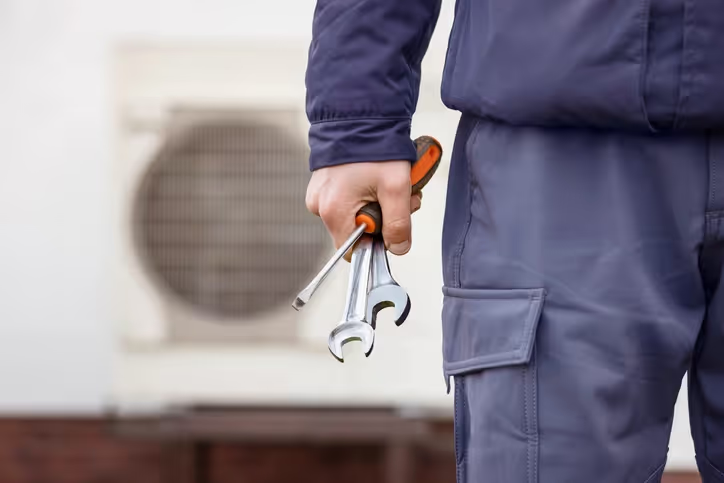
Identifying the Signs of a Critical HVAC Emergency
Homeowners often hesitate to call for emergency service, wondering if the issue can wait until regular business hours. However, specific symptoms indicate a system is in critical failure and requires immediate professional attention to avoid total system loss or safety hazards. Recognizing these signs early can save significant money on extensive repairs later.
Strange or Loud Noises
- Squealing or screeching sounds usually indicate a belt issue or a motor bearing that is about to seize.
- Grinding noises often suggest that a fan blade is loose or part of the internal mechanism has broken off and is damaging other components.
- Banging or clanking can signal a loose part inside the compressor or a cracked heat exchanger in furnaces.
Unusual Odors
- The smell of rotten eggs is a distinct indicator of a natural gas leak, requiring immediate evacuation and professional intervention.
- Burning electrical smells suggest wiring insulation is melting or a motor is overheating, presenting a fire risk.
- Musty or moldy smells coming from vents often point to biological growth inside the AC unit or ductwork, often caused by drainage backups.
Electrical Issues
- If the system repeatedly trips the circuit breaker, it is drawing excessive power, signaling a short circuit or a compressor struggling to start.
- Lights flickering when the unit kicks on indicates a heavy power draw that stresses the home's electrical panel.
The Emergency Repair Process: Step-by-Step
Understanding what happens during an emergency visit helps alleviate the stress of the situation. The process is designed to be transparent, efficient, and focused on long-term reliability rather than a quick patch job.
Initial Assessment and Safety Check
- The technician performs a site survey to ensure the area is safe for work.
- Power to the unit is verified, and gas lines are inspected for integrity if applicable.
- Thermostat settings are checked to rule out calibration errors or low battery issues.
Diagnostic Testing
- Electrical components are tested using multimeters to ensure voltage and amperage fall within manufacturer specifications.
- Airflow is measured to detect blockages in the filter, evaporator coil, or ductwork.
- Refrigerant levels are gauged to identify leaks or undercharged systems that cause freezing.
- The heat exchanger is inspected for cracks, which is crucial for preventing carbon monoxide leaks.
Review of Findings and Authorization
- The technician explains the root cause of the failure, distinguishing between the primary failure and any secondary damage.
- A clear, written quote is provided before any work begins, detailing the necessary parts and labor.
- Options are presented, ranging from essential repairs to recommended preventative measures.
Execution of Repairs
- Failed components are removed and replaced with OEM or high-quality aftermarket parts.
- Wiring is tightened and secured to prevent future electrical shorts.
- Moving parts are lubricated to reduce friction and wear.
- Coils and drains are cleared if blockages were identified as the cause of the breakdown.
System Validation and Cleanup
- The system is cycled through a full start-up and shut-down sequence to verify functionality.
- Temperature differentials are measured to ensure the unit is heating or cooling effectively.
- The work area is cleaned, and old parts are removed from the property.
Critical Decision: When to Repair vs. Replace
During an emergency service call, homeowners frequently face the difficult decision of whether to invest in a repair or opt for a system replacement. While the immediate goal is to restore comfort, putting money into a failing asset is not always the wisest financial move.
The 50% Rule
- If the cost of the repair approaches 50% of the value of the system, replacement is generally the better option.
- If the repair cost multiplied by the age of the unit exceeds $5,000, replacement should be considered.
Frequency of Breakdowns
- Systems that require multiple repairs within a single year are signaling the end of their useful life.
- If major components like the compressor or heat exchanger fail, the cost of repair often rivals the down payment on a new, more efficient unit.
Energy Efficiency Considerations
- Older units with low SEER (Seasonal Energy Efficiency Ratio) ratings cost significantly more to operate.
- Newer systems can reduce monthly utility bills by 20% to 40%, offsetting the monthly cost of financing a new installation.
Refrigerant Type
- Air conditioners using the phased-out R-22 refrigerant are becoming prohibitively expensive to repair due to the scarcity of the coolant.
- Upgrading to a system that uses R-410A or newer refrigerants ensures future serviceability and compliance with environmental regulations.
Local Factors Impacting HVAC Performance in Cave City
The specific climate and infrastructure of this region play a significant role in how HVAC systems perform and why they fail. Carter Heating and Cooling understands the local load requirements necessary to keep a home comfortable throughout the year.
Humidity Management
- The region experiences high humidity levels during the summer, forcing air conditioners to work double-time to remove moisture.
- Oversized or undersized units struggle to dehumidify effectively, leading to "clammy" indoor environments and increased risk of mold.
- Emergency repairs often involve clearing condensate drains that have been overwhelmed by the volume of water removed from the air.
Seasonal Temperature Swings
- Winters can bring freezing temperatures that put a heavy strain on heat pumps and furnaces.
- Heat pumps often require auxiliary heat strips to cope with sub-freezing nights; if these fail, the system cannot maintain indoor temperatures.
- Summers reach high temperatures that test the limits of compressor efficiency and heat rejection capabilities.
Vegetation and Debris
- Local flora contributes to the accumulation of cottonwood, pollen, and leaves on outdoor condenser units.
- This debris blocks airflow, causing the system to overheat and shut down on high-pressure safety limits.
- Regular cleaning is essential, but during a breakdown, clearing this debris is often the first step in the repair process.
Hard Water Impact
- Water quality in the area can affect humidifier pads and boiler systems, leading to mineral buildup and reduced efficiency.
- Scale accumulation can block valves and pumps, requiring specialized cleaning or replacement during service calls.
Preventive Measures to Avoid Future Emergencies
While some breakdowns are unavoidable, many emergency calls stem from a lack of routine maintenance. Taking proactive steps can drastically reduce the likelihood of a mid-night failure.
Air Filter Discipline
- Clogged air filters are the number one cause of HVAC failure.
- Restricted airflow causes coils to freeze in the summer and heat exchangers to overheat in the winter.
- Filters should be checked monthly and replaced at least every 90 days, or more frequently if pets are present.
Keep Vents Open
- Closing vents in unused rooms disrupts the pressure balance of the system.
- This increases static pressure in the ductwork, forcing the blower motor to work harder and shortening its lifespan.
- Ensure at least 80% of the home's vents are open and unobstructed by furniture or curtains.
Clear the Outdoor Unit
- Maintain a two-foot clearance around the outdoor condenser unit.
- Trim back bushes, remove tall grass, and clear away leaves or snow drifts.
- Proper airflow is essential for the heat transfer process; without it, the system will overheat and trip safety breakers.
Schedule Seasonal Tune-Ups
- Professional maintenance twice a year ensures that small issues are caught before they become emergencies.
- Technicians tighten electrical connections, check refrigerant levels, and clean coils during these visits.
- Many warranties require proof of annual maintenance to remain valid.
Why Professional Diagnostics Matter Over DIY
In an age of online tutorials, the temptation to attempt a DIY repair is high. However, modern HVAC systems are complex machines involving high-voltage electricity, combustible gases, and high-pressure refrigerants.
Safety Risks
- Mishandling electrical components can lead to severe shock or electrocution.
- Improperly adjusting gas valves or flue pipes can result in carbon monoxide leaks, which are odorless and deadly.
- Refrigerant burns and exposure to hazardous chemicals are risks for those without proper protective gear and training.
Diagnostic Accuracy
- A symptom often has multiple potential causes. For example, a frozen coil could be caused by low refrigerant, a dirty filter, or a bad blower motor.
- Guessing leads to "parts swapping," where homeowners replace perfectly good parts without solving the underlying issue.
- Professionals use specialized tools to pinpoint the exact failure, saving time and money.
Warranty Preservation
- Most manufacturer warranties explicitly state that repairs must be performed by a licensed contractor.
- DIY repairs often void these warranties, leaving the homeowner responsible for the full cost of future major component failures.
Why Choose Us
- Rapid 24/7 Response: Our licensed technicians are always on standby, ready to reach your home quickly and restore comfort.
- Expert Diagnostics: We pinpoint the root cause of your HVAC failure, preventing repeated breakdowns and unnecessary costs.
- Fully Equipped Technicians: Every service vehicle is stocked with essential parts to fix most issues on the first visit.
- Licensed & Insured: All work is performed by certified professionals backed by comprehensive labor and parts warranties.
- Transparent Pricing: Clear, written quotes ensure you know exactly what needs to be done before we start any work.
- Preventive Focus: We not only repair but also advise on maintenance strategies to minimize future emergencies.
Securing Your Home Comfort
A breakdown is never convenient, but the solution should be seamless. By choosing a provider that prioritizes technical excellence and rapid response, you ensure that your home returns to normal with minimal disruption. From the initial diagnostic to the final safety check, the focus remains on durability and efficiency. Whether it is a minor electrical fix or a complex compressor replacement, professional intervention guarantees that the job is done right the first time.
Don't let a broken system compromise your safety or comfort. Click here to schedule your emergency repair service now.

Great Service at a Fair Price
Veterans Discount


Senior Discount

Law Enforcement

Fire fighters/ems

Hear From Your Neighbors!
Hear from your neighbors to see how our commitment to dependable service and lasting comfort has made a difference in their homes.