
How can we help today?
Choose an option to see quick actions and get help faster.Ductless Repair in Cave City, KY
Ductless Repair in Cave City, KY
Experiencing a ductless system breakdown in Cave City? Get fast, expert repair services to restore your comfort quickly. Contact us now to schedule your repair.
Eliminate Ductless System Failures and Restore Comfort
Is your ductless heating or cooling system failing to hold the set temperature just when you need it most? You are not alone, and immediate help is available from certified technicians to resolve the issue before your home becomes uncomfortable—Contact us today to schedule your repair.
Residents in Cave City rely on these systems for precise climate control, and a breakdown can disrupt your entire day. Our team provides rapid response protocols to diagnose the root cause and implement a lasting fix without delay.
- Get fast, expert repairs that restore airflow and temperature control immediately.
- Ensure year-round comfort with thorough system diagnostics that prevent future breakdowns.
- Optimize your system’s efficiency to stop energy waste and lower your monthly utility bills.
All services are backed by comprehensive labor warranties and straightforward financing options to ensure your repair is stress-free.
What to Expect: Repair Scope, Timeline, and Inclusions
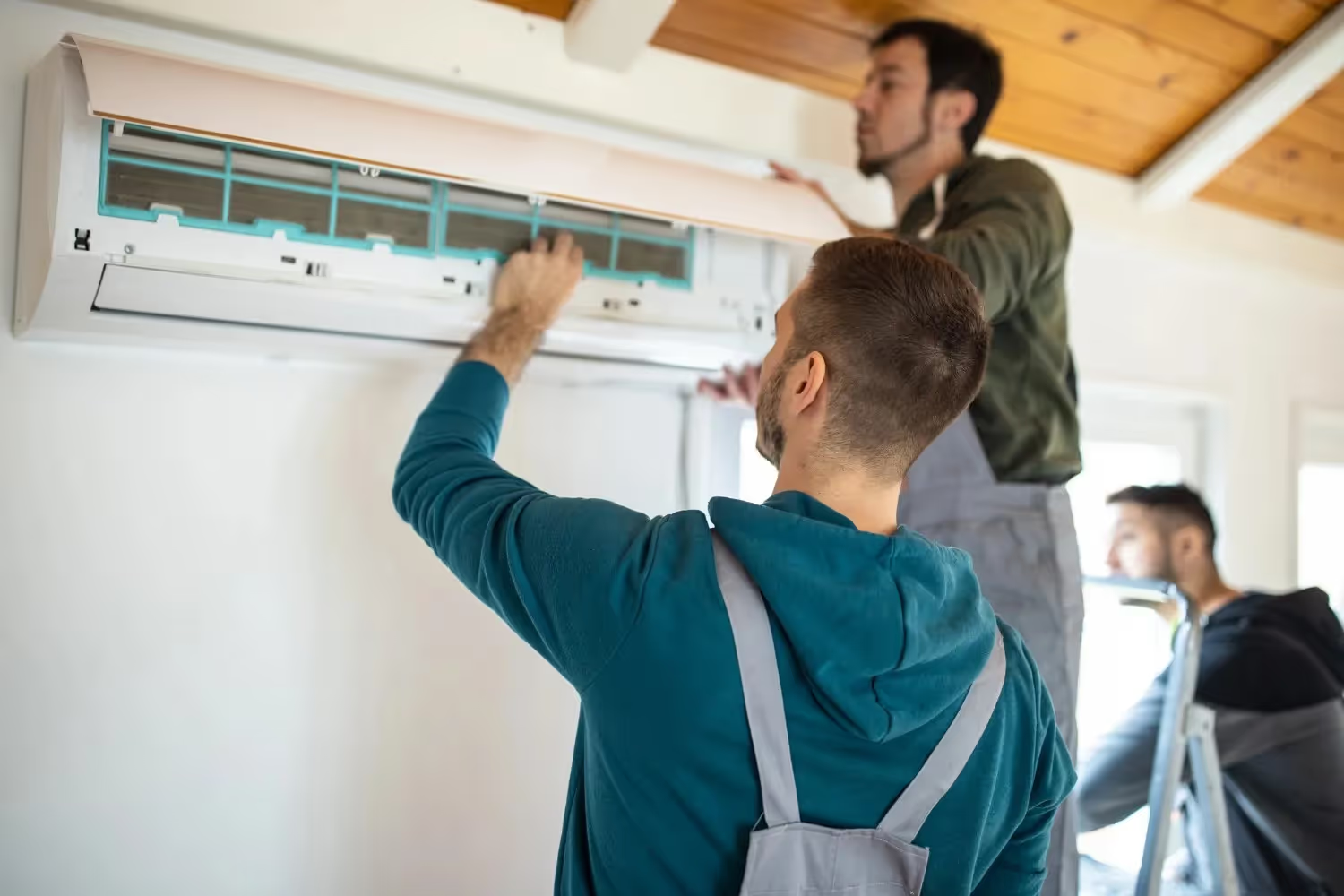
When your ductless mini-split stops working, you need a clear understanding of what happens next. The repair process differs significantly from central HVAC troubleshooting because ductless systems rely on sophisticated inverter technology and individual air handling units. A professional repair service focuses on isolating the specific component causing the failure—whether it is a single indoor head or the outdoor compressor unit—to ensure a targeted fix.
Carter Heating and Cooling approaches every service call with a fully stocked vehicle, ready to address the most common points of failure on the spot. The goal is to minimize downtime so you can return to a comfortable living environment as quickly as possible.
Common Issues Addressed
Ductless systems are durable, but they are not immune to wear and tear. Professional technicians routinely handle specific mechanical and electrical failures that disrupt performance:
- Refrigerant Leaks: If your system is running but blowing room-temperature air, low refrigerant levels are often the culprit. Technicians locate the leak, repair the line set, and recharge the system to manufacturer specifications.
- Condensate Drainage Failures: Water dripping from an indoor unit typically indicates a clogged condensate drain line or a broken pump. Clearing these blockages prevents water damage to your walls and flooring.
- Inverter Board Malfunctions: Communication errors between the indoor and outdoor units often stem from electrical issues within the inverter board. Replacing or repairing these circuits restores the system’s ability to modulate power.
- Frozen Evaporator Coils: A system that freezes up cannot exchange heat effectively. This is often caused by airflow restrictions or dirty components, requiring deep cleaning and airflow adjustment.
- Sensor Calibration: If the unit turns off before the room reaches the desired temperature, the thermostat sensors likely need recalibration or replacement to ensure accurate climate control.
Timeline for Repairs
Most ductless repairs are completed within a single visit. Because mini-split systems are modular, a technician can often fix one indoor unit while the rest of the house remains comfortable.
- Diagnostic Phase: This typically takes less than an hour. The technician uses specialized gauges and electrical meters to pinpoint the failure.
- Repair Execution: Minor repairs, such as clearing a drain line or replacing a capacitor, take one to two hours. More complex jobs, like replacing a compressor or fixing a refrigerant leak, may require additional time depending on the severity of the issue.
- Testing: No job is marked complete until the system runs through a full heating or cooling cycle to verify performance.
Your Repair Process: Steps to Restored Comfort
A structured approach to repair ensures that nothing is overlooked. Rather than guessing at the problem, certified technicians follow a rigorous sequence of checks to guarantee the system is fixed correctly the first time. This methodological process protects the longevity of your equipment and validates your warranty.
Step 1: Comprehensive System Diagnostics
The technician begins by assessing the overall condition of the unit. This involves checking error codes displayed on the unit or remote control, which provide specific data regarding the malfunction.
- First, the technician inspects the electrical connections and voltage readings to ensure the unit is receiving stable power.
- Next, they measure refrigerant pressures and line temperatures to detect leaks or blockages in the system.
- Finally, they evaluate the airflow from the indoor blowers to ensure the fans are operating at the correct speed and volume.
Step 2: Clear Explanation and Authorization
Once the problem is identified, you receive a detailed explanation of what went wrong and how it will be fixed.
- The technician outlines the necessary parts and labor required for the repair.
- You are presented with a straightforward quote, eliminating surprise fees or hidden costs.
- Work begins only after you have reviewed and approved the proposed solution.
Step 3: Precision Repair and Component Replacement
With approval granted, the technician proceeds with the mechanical work.
- The technician isolates the power supply to ensure safety during the repair.
- Defective parts are removed and replaced with OEM (Original Equipment Manufacturer) components to ensure compatibility and performance.
- For refrigerant issues, the system is evacuated and recharged with precision scales to ensure the exact charge required for optimal efficiency.
Step 4: System Verification and Cleanup
The job concludes with a performance check to verify the repair was successful.
- The system is operated in maximum heating or cooling mode to stress-test the repair.
- The technician checks the temperature differential (delta T) between the supply and return air to confirm the unit is conditioning the air effectively.
- Finally, the work area is cleaned, and the technician reviews the repair with you to ensure your total satisfaction.
Deciding Between Repair or Replacement: A Guide
Homeowners often face the difficult choice of sinking money into an old unit or investing in a new system. While ductless mini-splits are designed to last 15 to 20 years, there comes a point where repair is no longer the most economical option. Making the right decision depends on the age of the unit, the cost of the repair, and the system's recent performance history.
The 50% Rule
A general guideline in the HVAC industry is the 50% rule. If the cost of the repair approaches or exceeds 50% of the value of a new system, replacement is usually the smarter financial move.
- Investing heavily in an aging system often yields diminishing returns, as other components are likely to fail soon after.
- A new system comes with a full warranty, whereas a repair typically only warranties the specific part that was replaced.
Frequency of Breakdowns
If you have required multiple service calls in the last two years, the system is likely nearing the end of its lifespan.
- Recurring issues suggest that the internal components are degrading system-wide.
- Constantly paying for service calls and labor adds up quickly, often exceeding the monthly payment of a financed new installation.
Equipment Age and Refrigerant Type
The age of your system matters significantly.
- Systems over 12 years old may be operating on outdated technology with lower SEER (Seasonal Energy Efficiency Ratio) ratings.
- Older units may use R-22 refrigerant, which is no longer produced. If your older system has a refrigerant leak, the cost to recharge it can be astronomical, making replacement the only viable option.
Efficiency Drops
Have you noticed a steady increase in your energy bills despite normal usage?
- As compressors and motors wear out, they draw more electricity to perform the same amount of work.
- New ductless systems offer superior inverter technology that modulates power usage more effectively, potentially lowering your utility costs immediately.
Local Insights: Compliance and Optimal Times for Service
Operating a ductless system in Cave City requires specific attention to the local climate. The humid subtropical weather brings distinct challenges that impact how these systems function and when they require service. Understanding these local factors helps you maintain comfort regardless of the season.
Managing Humidity and Condensation
The summers in this region are notoriously humid. Ductless systems are excellent at dehumidification, but this heavy workload can lead to specific maintenance needs.
- High humidity produces a significant amount of condensate water. It is vital to ensure that drain lines are kept clear of algae and debris to prevent overflows during July and August.
- Homeowners should utilize "Dry Mode" on their systems during days with moderate temperatures but high moisture levels to maintain comfort without overcooling the space.
Winter Defrost Cycles
While winters are generally moderate, temperatures do drop below freezing.
- Ductless heat pumps will periodically enter a "defrost cycle" to melt ice off the outdoor condenser coil. This is normal operation, not a malfunction.
- However, if the unit stays in defrost mode for extended periods or fails to produce heat afterward, professional service is required to check the sensors and reversing valve.
Utility Considerations
Local energy rates influence the cost-benefit analysis of high-efficiency repairs.
- Keeping your ductless system in peak condition is essential for minimizing electrical consumption.
- Carter Heating and Cooling technicians understand the local utility requirements and can advise on whether your current system setup is optimized for the regional electrical grid standards.
Permits and Regulations
While minor repairs generally do not require permits, major component replacements or system change-outs may be subject to local building codes.
- Professional providers handle all necessary compliance paperwork to ensure your system meets safety standards.
- Hiring a licensed contractor ensures that all electrical connections and refrigerant handling procedures adhere to state and local regulations, protecting your home insurance validity.
Why Choose Professional Troubleshooting
Attempting DIY repairs on a ductless mini-split is rarely successful and can be dangerous. These systems contain high-voltage electrical components and high-pressure refrigerant lines that require specialized training to handle safely.
The Risk of Voiding Warranties
Most manufacturer warranties strictly require that repairs be performed by a licensed HVAC professional.
- Touching the internal components yourself often voids the warranty immediately.
- Professional technicians provide documentation of the repair, preserving your warranty coverage for future issues.
Access to Specialized Tools
Proper diagnosis requires tools that the average homeowner does not possess.
- Technicians use digital manifolds, micron gauges, and leak detectors to diagnose issues with pinpoint accuracy.
- Without these tools, "fixing" a unit is merely guessing, which usually leads to further damage and higher repair costs later.
Comprehensive System Knowledge
A certified technician understands how the entire system interacts.
- They don't just fix the symptom; they identify the underlying cause. For example, replacing a blown fuse without finding the short circuit that caused it will result in another blown fuse the moment the power is turned back on.
- Experts evaluate the communication between indoor and outdoor units, ensuring the complex electronics are synchronized.
Ensuring Long-Term Performance
Once your system is repaired, the focus shifts to maintaining that performance. A well-maintained ductless system is quiet, efficient, and reliable. Ignoring post-repair care can lead to a recurrence of issues.
The Importance of Air Filtration
The most common cause of recurring ductless problems is dirty filters.
- Because ductless heads circulate air directly in the room, the filters trap dust and allergens rapidly.
- Technicians recommend cleaning these filters every two to four weeks to maintain proper airflow and prevent strain on the blower motor.
Seasonal Check-Ups
Regular professional maintenance is the key to longevity.
- Scheduling a tune-up in the spring and fall ensures the system is ready for the peak heating and cooling seasons.
- These visits allow technicians to catch minor issues, such as loose wiring or small refrigerant leaks, before they escalate into emergency repairs.
Ductless System Malfunctioning? Get Fast, Professional Help Now
Your comfort is paramount, and a malfunctioning ductless system shouldn't compromise your home environment. Whether it is a minor sensor error or a major compressor failure, expert technicians are ready to restore your system to peak performance.
Don't let a broken mini-split disrupt your comfort any longer; contact us now to schedule your repair service.

Great Service at a Fair Price
Veterans Discount


Senior Discount

Law Enforcement

Fire fighters/ems

Hear From Your Neighbors!
Hear from your neighbors to see how our commitment to dependable service and lasting comfort has made a difference in their homes.