

How can we help today?
Choose an option to see quick actions and get help faster.Furnace Installation in Cave City, KY
Furnace Installation in Cave City, KY
Furnace Installation in Cave City, KY
Eliminate Cold Spots and Rising Energy Bills With a New Furnace
Facing unexpected cold due to a failing furnace? Ensure your home remains warm and cozy with a timely and efficient installation. Contact us today to schedule a detailed assessment of your heating needs or ask about our available financing options.
Homeowners in Cave City need a reliable heating system that can handle the shifting weather patterns without driving up utility costs. Our approach focuses on technical precision and long-term reliability.
- Free quotes and no surprise charges.
- Certified technicians ensuring high-quality installations.
- Service available around the clock to handle emergency needs.
Backed by warranties and straightforward financing options for peace of mind.
Comprehensive Furnace Installation Services: What to Expect
Investing in a new heating system is about more than just swapping out a metal box; it is about engineering a solution that matches the specific thermal envelope of your property. Carter Heating and Cooling approaches every project with a focus on data and precise sizing. An oversized unit will cycle on and off too frequently, leading to wear and tear, while an undersized unit will run continuously without ever reaching the set temperature.
When you schedule an installation service, the process begins with a thorough evaluation of the home’s current infrastructure. This includes inspecting the existing ductwork for leaks or design flaws that could impede airflow. In many older homes in the region, ductwork was installed without modern efficiency standards in mind. Correcting these issues during the furnace installation ensures that the new equipment performs at the manufacturer’s rated efficiency levels.
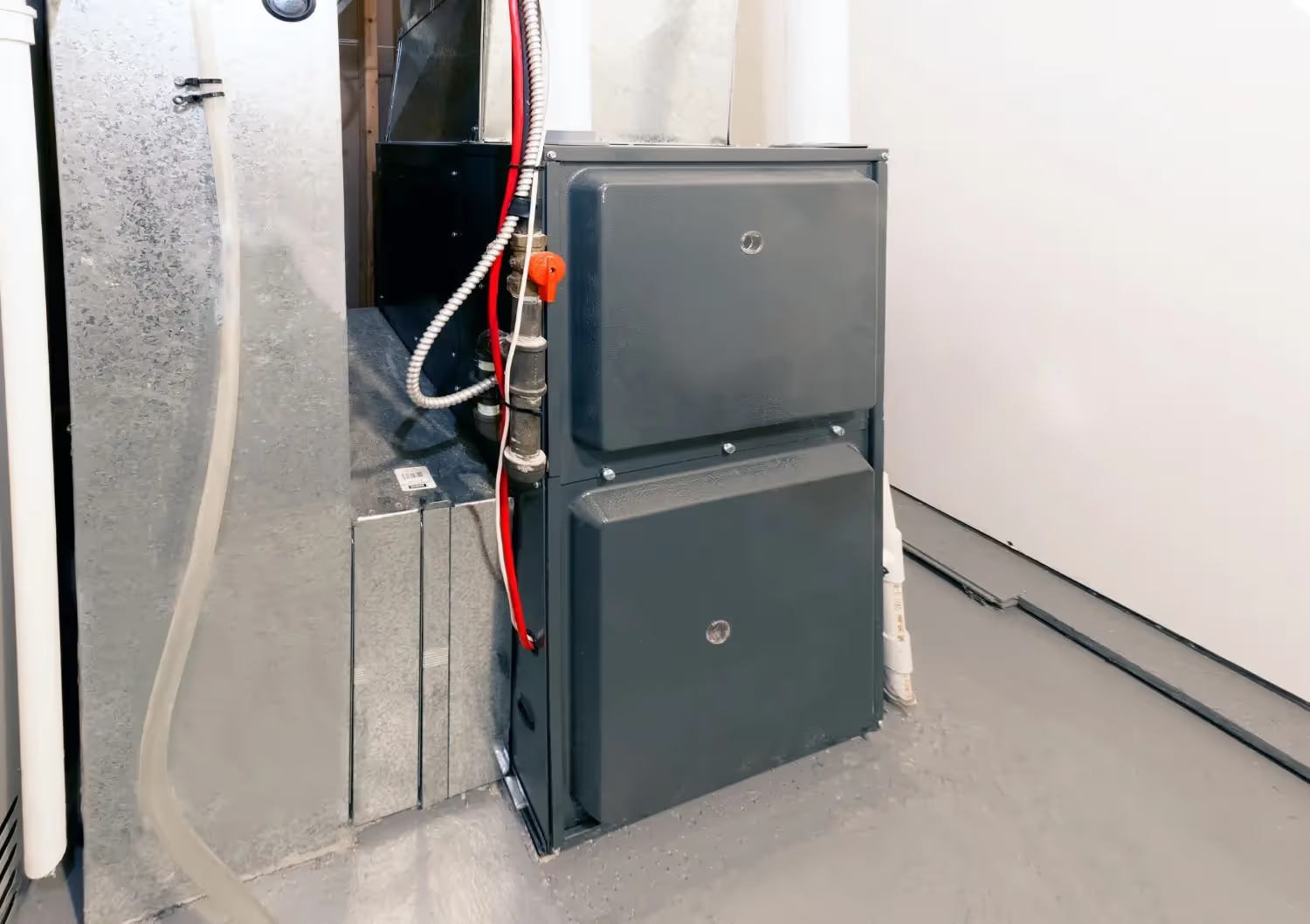
The scope of a standard installation covers the removal and environmentally responsible disposal of the existing unit, the positioning of the new furnace, and the reconnection of all gas lines, electrical wiring, and flue pipes. Every step follows strict safety protocols to prevent gas leaks or carbon monoxide back-drafting. The goal is to provide a seamless transition from a failing system to a high-performance heating solution that restores comfort immediately.
The Installation Process: From Assessment to Airflow
A professional installation follows a rigorous checklist to ensure every component functions correctly. This systematic approach minimizes the risk of future breakdowns and ensures the manufacturer’s warranty remains valid.
- Load Calculation and Sizing: Technicians perform a Manual J load calculation. This calculation factors in the square footage, insulation levels, window types, and local climate data to determine the exact BTU output required for the home.
- Site Preparation: The area surrounding the furnace is prepped to ensure the flooring is level and capable of supporting the new unit. Drop cloths are used to protect the home’s interior during the removal of the old equipment.
- Ductwork and Plenum Adaptation: The supply and return plenums are modified or rebuilt to create an airtight seal with the new furnace cabinet. This step is critical for maintaining static pressure and ensuring quiet operation.
- Venting and Flue Installation: For high-efficiency condensing furnaces, PVC piping is installed to vent exhaust gases and bring in fresh combustion air. For standard efficiency units, the metal flue liner is inspected and resized if necessary to ensure proper draft.
- Gas and Electrical Connections: Certified technicians connect the gas line, installing a new sediment trap and shut-off valve if needed. Electrical connections are tightened and tested for proper voltage and amperage.
- Condensate Drain Management: High-efficiency furnaces produce condensation. A drain line is installed to route this water away from the unit to a floor drain or condensate pump.
- System Commissioning: The furnace is fired up, and technicians adjust the gas pressure and blower speed to meet the manufacturer’s specifications. Temperature rise is measured to verify the system is heating the air effectively.
Determining When a Replacement is Necessary
Deciding between another repair bill and a full replacement is a common dilemma for homeowners. While minor issues like a faulty sensor or a worn capacitor are easily fixed, structural failures or age-related inefficiencies often make replacement the smarter financial choice.
- Age of the Unit: Furnaces typically last between 15 and 20 years. If the system is approaching or has exceeded this lifespan, parts will become obsolete, and the risk of a catastrophic failure increases significantly, especially during a freeze.
- Cracked Heat Exchanger: This is a critical safety failure. The heat exchanger separates the combustion gases from the breathable air. A crack can allow carbon monoxide to leak into the home. Due to the high cost and labor involved in replacing a heat exchanger, a full system replacement is almost always the required solution.
- Frequency of Repairs: If the system has required multiple repairs in the last two years, or if the cost of a single repair approaches 50% of the value of a new unit, investment in new equipment provides a better return.
- Rising Energy Costs: Older furnaces often operate at 60% to 70% AFUE (Annual Fuel Utilization Efficiency), meaning 30 to 40 cents of every dollar spent on gas is wasted up the flue. Modern systems start at 80% and can go as high as 98%, resulting in immediate reductions in monthly energy bills.
Navigating Local Requirements and Climate Factors
Cave City experiences a humid subtropical climate, characterized by hot, humid summers and mild but wet winters. While snowfall is relatively rare, occurring mostly in January and February, the heating system must be robust enough to handle sudden drops in temperature. Furthermore, because the furnace blower motor is often the primary air mover for the central air conditioning system as well, the quality of the installation directly impacts summer comfort.
- Permitting and Codes: Installation work involves gas piping and high-voltage electricity, which requires adherence to local building codes and safety regulations. Professional installers manage the permitting process to ensure the work passes all municipal inspections. This is vital for home insurance validity and future property resale.
- Humidity Control: Given the regional humidity, selecting a furnace with a variable-speed blower motor is advantageous. These motors can run at lower speeds to constantly circulate air, which aids the AC system in dehumidifying the home during the summer and creates more even heat distribution during the winter.
- Gas Supply Pressure: Local utility infrastructure delivers natural gas at specific pressures. Installers must verify that the gas valve on the new furnace is calibrated to match the local supply, ensuring safe and efficient combustion.
Understanding Efficiency Ratings (AFUE)
When selecting a new furnace, the AFUE rating is the primary metric for comparison. This percentage indicates how much of the fuel is converted into usable heat versus how much is lost in the combustion process.
- Standard Efficiency (80% AFUE): These units utilize a standard metal flue and are often cheaper to install initially. They are a practical choice for homeowners who are on a strict budget or who live in climates with very mild winters where the heating load is low.
- High Efficiency (90% - 98% AFUE): These condensing furnaces utilize a secondary heat exchanger to extract heat from the exhaust gases before they leave the unit. This process causes the exhaust to cool and condense into water. While the upfront investment is higher, the long-term savings on utility bills are substantial. These units require PVC venting rather than metal flues.
Blower Motor Technology and Comfort Levels
The furnace is the heart of the home’s HVAC system, and the blower motor determines how air moves through the ducts. The choice of motor technology affects noise levels, temperature consistency, and electrical consumption.
- Single-Stage Motors: These motors operate at one speed—100% capacity. When the thermostat calls for heat, the system blasts warm air until the temperature is reached, then shuts off. This can create "temperature swings" where the house feels too hot, then too cool.
- Two-Stage Motors: These systems have a high and a low setting. For 80% of the winter, the furnace runs on the low, quieter, and more efficient setting. It only ramps up to high capacity during extreme cold snaps. This results in longer run times that provide more consistent warmth.
- Modulating/Variable-Speed Motors: The most advanced option, these motors can adjust their output in tiny increments (often as small as 1%). They run almost continuously at very low speeds, eliminating cold spots and keeping the air constantly filtered and mixed. This technology is highly recommended for multi-story homes or homes with specific comfort challenges.
Post-Installation Support and Maintenance
The installation day is just the beginning of the system’s lifecycle. To protect the investment, homeowners must understand the warranty terms and maintenance requirements. Most manufacturers require proof of annual maintenance to keep the warranty active.
- Warranty Registration: Professional installers handle the registration of the equipment with the manufacturer. This ensures that parts are covered for the standard 10-year period (depending on the brand).
- Labor Warranties: In addition to the parts warranty, reputable service providers offer a labor warranty that covers the cost of workmanship for a set period after installation.
- Filter Maintenance: The new system will likely require a specific type of air filter. Using the wrong MERV rating can restrict airflow and damage the heat exchanger. Technicians provide guidance on the correct filter type and replacement schedule.
Why Homeowners Choose Professional Installation
Attempting a DIY furnace installation or relying on uncertified handymen can lead to dangerous situations, including gas leaks and carbon monoxide poisoning. Professional service providers bring the necessary tools, diagnostic equipment, and training to handle the complexities of modern HVAC systems.
Carter Heating and Cooling has established a reputation for technical excellence and transparent business practices. We ensure that every homeowner understands how their new system operates before we leave the driveway. From the initial load calculation to the final safety check, our focus remains on safety, efficiency, and longevity.
Planning a New Furnace? Get Your Free Professional Estimate Now
Secure your home’s comfort for the years ahead. Contact us today to receive a free estimate on your furnace installation and take the first step toward reliable, efficient heating.

Great Service at a Fair Price
Veterans Discount


Senior Discount

Law Enforcement

Fire fighters/ems

Hear From Your Neighbors!
Hear from your neighbors to see how our commitment to dependable service and lasting comfort has made a difference in their homes.