
How can we help today?
Choose an option to see quick actions and get help faster.Heating Maintenance in Cave City, KY
Heating Maintenance in Cave City, KY
Heating Maintenance in Cave City, KY
Experiencing Heating Issues? Get Reliable Local Service Fast
Facing sudden heating problems can disrupt your comfort and safety, particularly when temperatures drop during the varied seasons in Cave City. At Carter Heating and Cooling, we provide swift, licensed maintenance to restore your heating system’s efficiency immediately. Contact us today to schedule your service.
- Rapid response with same-day service availability to minimize downtime.
- Transparent pricing and easy financing options for necessary repairs or upgrades.
- Licensed and experienced technicians ensuring quality and compliance with state codes.
Fully licensed in Kentucky, ensuring all work meets stringent quality standards with comprehensive warranty coverage.
Detailed Scope of Heating Maintenance Services
Effective heating maintenance goes beyond a simple visual inspection; it involves a comprehensive analysis of your system's mechanical, electrical, and safety components. When we perform a tune-up, the objective is to return the equipment to factory specifications, ensuring it operates as safely and efficiently as the day it was installed. This rigorous approach is critical for homeowners in Cave City, where fluctuating humidity levels can accelerate wear on internal components.
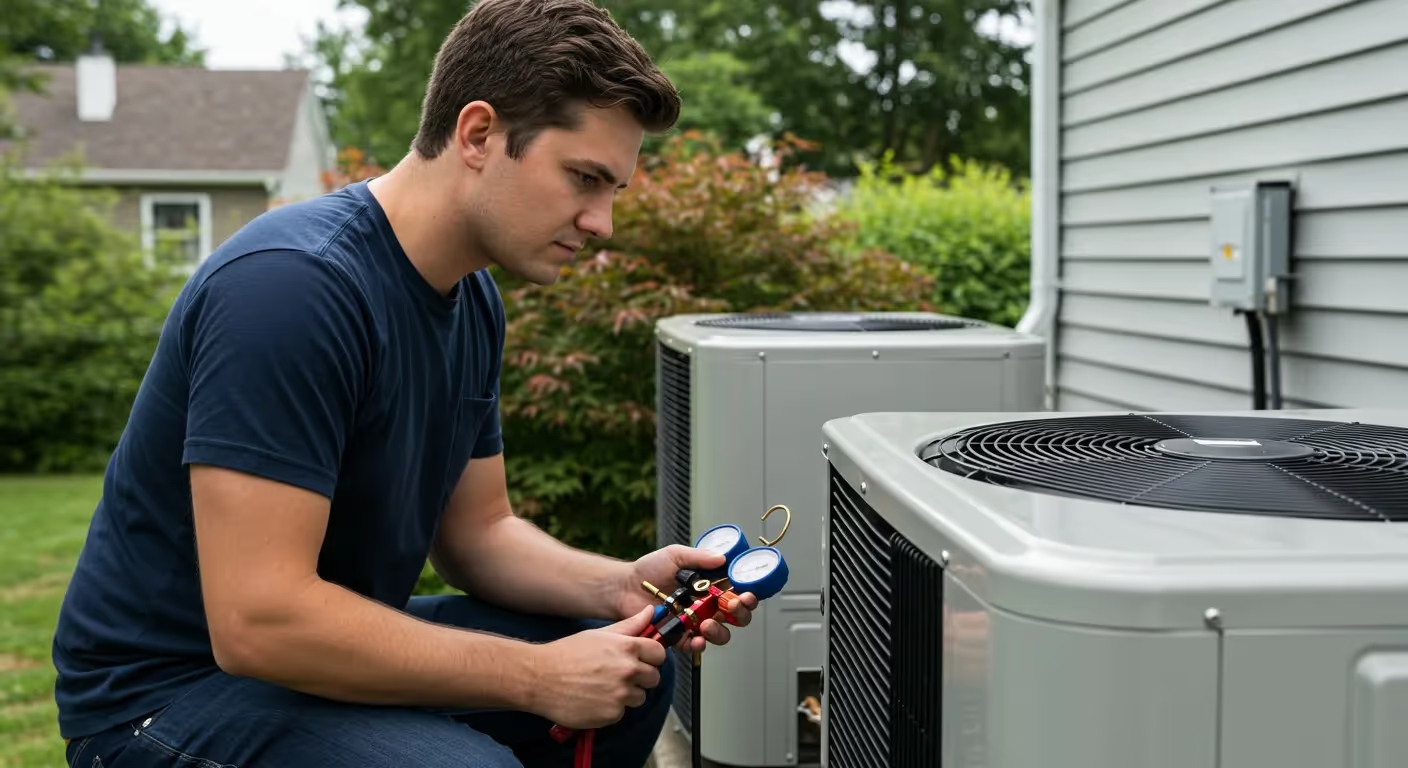
A professional maintenance visit addresses the core functions of your furnace or heat pump. The technician focuses on optimizing the fuel-to-heat conversion process. For gas furnaces, this means meticulously cleaning the burners and inspecting the heat exchanger. The heat exchanger is the critical component that separates breathing air from combustion gases. Over time, thermal stress can cause cracks, leading to dangerous carbon monoxide leaks. Our inspection protocols identify these microscopic fractures before they become immediate health hazards.
Electrical efficiency is another focal point. Loose connections or corroded contacts increase resistance, which generates excess heat and can lead to wire burnout or component failure. Technicians tighten all electrical connections and measure the voltage and amperage on motors. If a blower motor is drawing too many amps, it is a sign of impending failure or severe strain, often caused by airflow restrictions or lack of lubrication. Addressing this during a maintenance visit prevents a mid-winter breakdown when the system is under the heaviest load.
Airflow dynamics are also tested. A heating system relies on specific static pressure to move air effectively through the ductwork. If the airflow is restricted due to dirty wheels, blocked returns, or clogged filters, the heat exchanger can overheat, tripping safety limit switches. Maintenance ensures that the air mixture is correct, the blower wheel is clean, and the system is cycling properly to maintain consistent indoor temperatures without wasting energy.
The Professional Maintenance Process
Understanding what happens during a service visit helps homeowners see the value of proactive care. The process is structured to be thorough, minimizing disruption to your daily routine while maximizing the lifespan of your equipment.
- Initial Assessment and Safety Check: The process begins with a discussion about any specific issues you have noticed, such as strange noises, cold spots, or rising utility bills. The technician then performs a safety run, testing for gas leaks, checking carbon monoxide levels, and ensuring the flue pipe is venting exhaust gases correctly outside the home.
- Cleaning and Component Inspection: Next, the internal components are accessed. For furnaces, this involves removing the burners for cleaning, vacuuming the cabinet to remove dust and debris that could catch fire, and cleaning the flame sensor. A dirty flame sensor is a common cause of system lockouts; cleaning it ensures the system reliably detects ignition.
- Lubrication and Adjustment: Moving parts create friction, which leads to wear. Bearings in motors and fans are lubricated if they are not sealed units. The technician also checks the tension on any belts and adjusts or replaces them if they show signs of cracking or stretching. For gas units, the gas pressure valve is calibrated to ensure the unit is burning fuel at the correct rate.
- System Calibration and Testing: Finally, the thermostat is calibrated to ensure it reads the room temperature accurately. The system is run through a full heating cycle to monitor the temperature rise—the difference in temperature between the air entering the return and the air leaving the supply. This metric confirms that the system is producing the correct amount of heat relative to the manufacturer's specifications.
When to Repair vs. When to Replace
Routine maintenance often reveals the true condition of a heating system. While the goal of maintenance is to extend the life of your unit, there are distinct thresholds where continued repair becomes less economical than replacement. Making this decision requires analyzing the age of the system, the frequency of breakdowns, and the cost of operation.
Age is the primary indicator. Most furnaces and heat pumps have a service life of 15 to 20 years. As systems approach the end of this window, components begin to fail in succession. If a maintenance visit reveals a major part failure, such as a cracked heat exchanger or a seized compressor, and the unit is over 15 years old, investing in a repair is often throwing good money after bad. In these cases, the cost of the repair often approaches 50% of the cost of a new, more efficient unit.
Efficiency degradation is another factor. Older units, even when well-maintained, operate at lower efficiency ratings (AFUE) compared to modern standards. If your heating bills have been steadily climbing despite regular maintenance, the internal efficiency of the unit has likely degraded. Newer systems can offer significant energy savings that offset the monthly cost of a new installation.
Safety is the ultimate deciding factor. If a unit has a history of safety lockouts, requires frequent resets, or has combustion issues that pose a risk of carbon monoxide exposure, replacement is the only responsible option. Maintenance can clean and adjust a system, but it cannot reverse structural metal fatigue or severe corrosion in critical safety components.
Local Climate and Regulatory Considerations
Operating a heating system in Kentucky requires attention to specific regional factors. The local climate involves significant humidity throughout the year, peaking in the spring and summer. This humidity does not disappear in the winter; it lingers in basements and crawl spaces where many heating units are located. This moisture can lead to accelerated rusting of steel cabinets, electronic boards, and even the heat exchanger itself. Local maintenance protocols specifically look for oxidation and moisture damage that are common in this region.
Compliance with state regulations is mandatory for all heating work. The Kentucky Division of HVAC requires that all individuals performing maintenance, repair, or installation on heating systems hold a valid state license. This licensing ensures that the technician understands the specific building codes relevant to Kentucky, including proper venting requirements, gas piping standards, and electrical safety codes. Hiring a licensed professional protects the homeowner from liability and ensures that the manufacturer’s warranty remains valid.
Utility programs in the area frequently offer incentives for high-efficiency systems. When maintaining a system, technicians can verify if the unit is operating near its rated efficiency. If a replacement is recommended, local utility providers often have rebate structures in place for upgrading to Energy Star-rated heat pumps or furnaces. Understanding these local financial incentives is part of the service provided to ensure homeowners get the best value.
Why Professional Oversight is Essential
Attempting to perform heating maintenance without professional training is dangerous and often ineffective. Modern heating systems are complex appliances involving high-voltage electricity, combustible gases, and pressurized refrigerants. Carter Heating and Cooling employs technicians who are trained to handle these hazards safely.
- Warranty Preservation: almost all manufacturer warranties strictly require proof of annual maintenance by a licensed HVAC professional. DIY maintenance or skipping annual service can void these warranties, leaving the homeowner responsible for the full cost of future parts replacements.
- Specialized Diagnostic Tools: Professional technicians use combustion analyzers, manometers, and multimeters to read internal system data that is invisible to the naked eye. A flame might look blue and steady, but a combustion analyzer can detect invisible carbon monoxide production or improper oxygen mixtures that indicate a serious problem.
- Long-Term Reliability: A "quick fix" often masks an underlying issue. Professional oversight ensures that the root cause of a symptom is identified. For example, replacing a blown fuse without finding the short circuit that caused it will simply lead to another blown fuse. Professional maintenance solves the problem at the source.
Secure Your Home Comfort for the Season: Schedule Today
Ensuring your heating system is ready for the demands of winter is a matter of safety and financial prudence. A well-maintained system runs fewer cycles to satisfy the thermostat, consumes less energy, and provides a consistent level of comfort throughout your home. Neglecting this essential service invites unexpected breakdowns, higher operational costs, and potential safety hazards.
Taking action before the peak of the heating season guarantees that your system is inspected, cleaned, and calibrated by a certified expert. This proactive approach eliminates the stress of emergency repairs and provides peace of mind knowing your home is safe and warm. Read our stellar online reviews.

Great Service at a Fair Price
Veterans Discount


Senior Discount

Law Enforcement

Fire fighters/ems

Hear From Your Neighbors!
Hear from your neighbors to see how our commitment to dependable service and lasting comfort has made a difference in their homes.