
How can we help today?
Choose an option to see quick actions and get help faster.Heat Pump Maintenance in Plum Springs, KY
Heat Pump Maintenance in Plum Springs, KY
Struggling with your heat pump in Plum Springs, KY? Our expert technicians provide efficient repair and routine checks to keep your home comfortable. Schedule now!
Is Your Heat Pump Failing to Maintain Consistent Comfort?
Is your heat pump failing to keep up with Kentucky's unpredictable weather? From emergency repairs to routine checks, we've got your comfort covered. Homeowners in Plum Springs, KY know that a reliable system is essential when temperatures fluctuate wildly between humid highs and freezing lows. If your system is struggling to reach the set temperature, making strange noises, or causing your energy bills to spike, it is time to bring in a professional. Contact us today to schedule your inspection or ask about our flexible financing options.
A heat pump works harder than almost any other HVAC system because it handles both heating and cooling duties year-round. Neglecting its care often leads to catastrophic failure during the peak of the season. We provide the technical expertise required to restore your system to factory specifications.
- Quick and reliable same-day service.
- Expert maintenance to maximize efficiency and lifespan.
- Straightforward pricing with no hidden fees.
Fully licensed and insured—guaranteed satisfaction with every visit.
Comprehensive Heat Pump Tune-Up Services
Effective heat pump maintenance goes beyond a simple filter change. It requires a deep analysis of the thermodynamic cycle and the electrical components that drive your system. When you schedule a service visit, the goal is to identify microscopic leaks, electrical stressors, and airflow restrictions before they turn into expensive repairs.
We perform a rigorous multi-point inspection designed to optimize your unit’s performance. This service includes:
- Refrigerant Charge Verification: We measure superheat and subcooling levels to ensure the refrigerant charge is exact. An improper charge forces the compressor to work harder, shortening its life and increasing electricity usage.
- Coil Cleaning and Inspection: The outdoor condenser coil and indoor evaporator coil must be free of debris and biological growth. Dirty coils inhibit heat transfer, which destroys efficiency and can cause the system to freeze up.
- Electrical Connection Tightening: Loose connections cause voltage drops and overheating, which can burn out wires and damage major components like the compressor or fan motor.
- Reversing Valve Testing: This is the heart of a heat pump, responsible for switching between heating and cooling modes. We test the solenoid and mechanical operation to ensure it shifts smoothly without getting stuck.
- Defrost Board Analysis: In winter, your outdoor unit will naturally frost over. The defrost board must trigger a cycle to melt this ice. If this component fails, the unit becomes a block of ice, providing no heat to your home.
- Blower Motor and Belt Inspection: We check the blower motor for amp draw and lubricate bearings where applicable. Proper airflow is critical for preventing the heat exchanger from cracking or the coil from freezing.
- Thermostat Calibration: We verify that your thermostat is reading ambient temperatures correctly and communicating effectively with the air handler and outdoor unit.
The Maintenance Process: How We Work
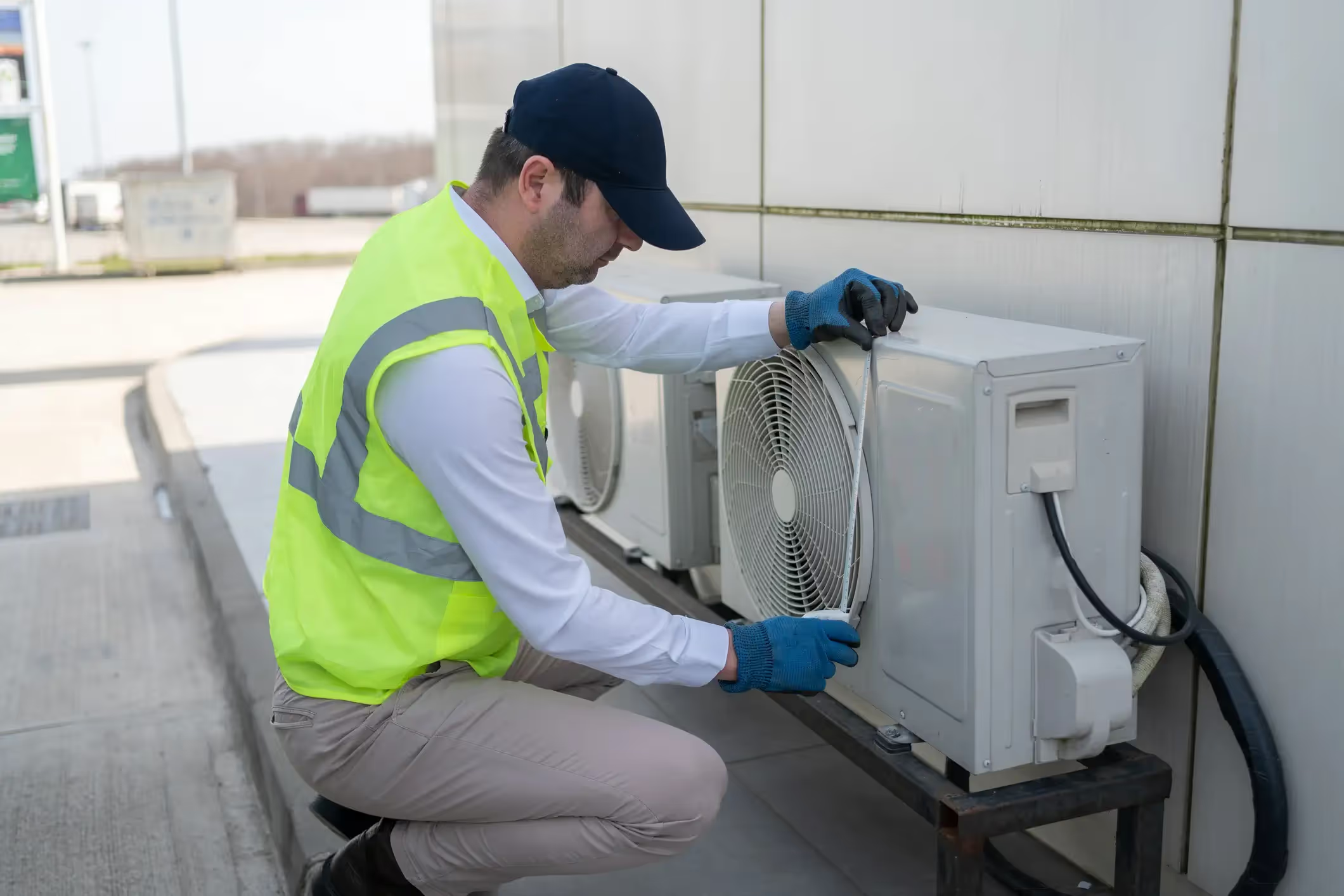
When you book a maintenance appointment, you need to know exactly what happens from the moment a technician arrives at your property. We have streamlined our process to be thorough, respectful of your time, and focused on technical accuracy.
- Arrival and System Assessment: The technician arrives fully equipped and starts by discussing any specific concerns you have noticed, such as uneven cooling or odd smells.
- Safety Zone Setup: We ensure the work area is safe and lay down drop cloths if working indoors to protect your flooring.
- Power Down and Lockout: To safely inspect electrical components, we disconnect power to the unit. This allows us to inspect capacitors and contactors without risk.
- Component Cleaning: We use specialized brushes and non-corrosive chemical cleaners to remove grime from the coils and clear the condensate drain line to prevent water damage.
- Operational Testing: Once cleaning and static inspections are done, we power the system back up. We measure the temperature drop across the coil and check static pressure to confirm the ductwork is handling airflow correctly.
- Auxiliary Heat Check: For heat pumps, the "emergency heat" (electric strips) serves as a backup during extreme cold. We engage these strips to ensure they activate when the outdoor temperature drops below the balance point.
- Final Report and Recommendations: You receive a clear report detailing the health of your system. If a part is near failure, we explain the urgency and provide a quote for replacement on the spot.
Why Seasonal Maintenance is Critical in Kentucky
Living in this region means your HVAC equipment faces a unique set of challenges. Unlike areas with mild climates, the humidity in the Ohio Valley can be suffocating in the summer, while winter storms can bring ice and snow. This dual demand places immense stress on heat pumps.
Carter Heating and Cooling understands that humidity control is just as important as temperature control. A well-maintained heat pump acts as a dehumidifier in the summer. If the coils are dirty or the refrigerant is low, the system runs for shorter cycles (short cycling), which cools the air but leaves the moisture behind. This leads to a clammy indoor environment and promotes mold growth in ductwork.
In the winter, the focus shifts to the defrost cycle and the auxiliary heat. If your heat pump is clogged with leaves or debris from the fall, it cannot pull heat from the outside air efficiently. This forces the system to rely heavily on the electric heat strips, which use significantly more electricity than the heat pump mode. Routine maintenance ensures the outdoor unit is clear and the defrost cycle triggers only when necessary, keeping your utility bills reasonable.
Troubleshooting Common Performance Issues
Recognizing early warning signs can save you from a total system breakdown. While maintenance prevents many issues, components can still wear out over time. Here are technical indicators that your system requires immediate professional attention:
- System Icing Up: If you see ice building up on the outdoor unit during summer, or excessive ice that never melts during winter, you likely have a refrigerant leak or a severe airflow restriction.
- Short Cycling: If the unit turns on and off every few minutes, it is likely overheating or has a safety float switch triggering due to a clogged drain line. This places massive stress on the compressor’s start capacitor.
- Grinding or Clicking Noises: Grinding usually indicates a motor bearing failure. Clicking often points to a failing capacitor or a relay that is struggling to engage.
- Weak Airflow: This can result from a clogged filter, but it often indicates a failing blower motor or a collapsed section of ductwork in the crawlspace or attic.
- Stuck in One Mode: If the system cools but won't heat (or vice versa), the reversing valve is likely the culprit. This often requires a specific solenoid replacement or a valve body replacement.
Repair vs. Replacement: Making the Strategic Choice
Deciding whether to sink money into a repair or invest in a new system is a financial calculation based on equipment age, efficiency, and condition. We provide the data you need to make an informed decision.
When to Repair and Maintain:
- The System is Under 10 Years Old: Most modern heat pumps are designed to last 12 to 15 years. If the unit is relatively young, repairs are usually the most cost-effective route.
- The Warranty is Active: If the parts are covered by the manufacturer's warranty, you only pay for labor, making repair the logical choice.
- The Repair is Minor: Issues like failed capacitors, contactors, or fan motors are routine fixes that restore the unit to full functionality without compromising long-term reliability.
- Efficiency is Still High: If the unit’s SEER (Seasonal Energy Efficiency Ratio) rating is comparable to current standards, keeping it running makes sense.
When to Replace:
- Major Component Failure: If the compressor fails or the reversing valve is stuck on an older unit, the cost of the repair often approaches 50% of the cost of a new system.
- Use of R-22 Refrigerant: Older units utilizing R-22 (Freon) are obsolete. This refrigerant is no longer manufactured, making recharge costs exorbitant. Upgrading to a system with R-410A or newer refrigerants is necessary.
- Frequent Breakdowns: If you have required multiple service calls in the last two years, the system has become a money pit. A new system eliminates these recurring costs.
- Poor Comfort Levels: If the system runs constantly but never reaches the set temperature, it may be undersized or have lost significant compression, meaning it can no longer condition your home effectively.
Local Considerations for Plum Springs Homeowners
Operating a heat pump in Plum Springs, KY, involves navigating specific local factors regarding utilities, permits, and environmental conditions.
- Utility Rebates and Incentives: Local energy providers and regional organizations like the TVA (Tennessee Valley Authority) often offer rebates for upgrading to high-efficiency heat pumps or performing specific maintenance upgrades that improve home energy scores. We help you navigate these programs to ensure you claim any available money.
- Permitting and Codes: Significant repairs, such as replacing the outdoor unit or modifying electrical circuits, may require adherence to local building codes. We handle all necessary compliance to ensure your system is legal and safe.
- Vegetation and Debris: Our local flora sheds significant debris. Cottonwood seeds, grass clippings from mowing, and falling leaves frequently clog outdoor condenser fins. We recommend maintaining a two-foot clearance around your outdoor unit to ensure proper airflow, which is vital during our humid summers.
- Hard Water Impact: If your system utilizes a humidifier or if the condensate drain requires regular flushing, be aware that mineral buildup from local water sources can clog lines faster than in other regions. Our maintenance includes clearing these mineral deposits.
Why Choose Professional HVAC Care
Your heat pump is a complex piece of machinery involving high-voltage electricity and high-pressure refrigerant. It is not a DIY appliance. Professional service ensures that your warranty remains valid, as most manufacturers require proof of annual maintenance by a licensed contractor to honor parts warranties.
We do not use high-pressure sales tactics. Our technicians are paid to fix your problems, not to upsell you on unnecessary accessories. When we arrive at your home, we bring fully stocked trucks, diagnostic tools that pinpoint issues accurately, and a commitment to getting the job done right the first time. We focus on the technical reality of your system—checking amp draws, measuring static pressure, and verifying superheat—to give you a factual assessment of your heating and cooling health.
Whether you are looking to extend the life of an aging system or ensure your new installation runs at peak efficiency, professional care is the only way to guarantee results. Don't wait for the system to fail on the hottest day of the year or the coldest night of winter.
Secure Long-Term Comfort With Proactive Heat Pump Care
Consistent indoor comfort depends on a heat pump that is properly maintained, accurately calibrated, and prepared for Kentucky’s demanding seasonal shifts. Professional service helps prevent unexpected breakdowns, controls energy costs, and ensures your system operates safely and efficiently year after year. With Carter Heating and Cooling, you receive technically precise service, clear recommendations, and dependable solutions designed to protect both your comfort and your investment.
Take control of your home comfort today. Contact us now to schedule your comprehensive heat pump maintenance or to speak with a technician about your system’s performance.

Great Service at a Fair Price
Veterans Discount


Senior Discount

Law Enforcement

Fire fighters/ems

Hear From Your Neighbors!
Hear from your neighbors to see how our commitment to dependable service and lasting comfort has made a difference in their homes.