

How can we help today?
Choose an option to see quick actions and get help faster.Air Conditioning Inspection in Plum Springs, KY
Air Conditioning Inspection in Plum Springs, KY
Stay cool in Plum Springs with our AC inspection services. Ensure your system's efficiency, avoid costly breakdowns, and extend its lifespan. Schedule now!
Is Your Cooling System Failing to Keep Up with the Heat?
Inefficient cooling, strange noises, or unexpectedly high energy bills often signal that your air conditioner is struggling to maintain a comfortable environment in Plum Springs, KY. Ensure your system is functioning efficiently and avoid mid-summer breakdowns with our professional AC inspection services. Contact us today or call to schedule a comprehensive system assessment.
- Ensure full system efficiency with a comprehensive check-up that evaluates every component.
- Address potential issues before they escalate into costly repairs or total system failure.
- Extend the life of your air conditioning unit with regular, professional maintenance.
All services are performed by certified technicians with full adherence to local codes and comprehensive warranties.
Detailed Scope: What a Professional AC Inspection Includes
A professional inspection is not merely a visual glance at the outdoor unit; it is a rigorous, point-by-point analysis of the entire cooling system. The objective is to verify that the equipment is operating within the manufacturer’s specifications and to identify any deviations that could compromise performance or safety. In Plum Springs, where humidity levels can fluctuate drastically, ensuring the mechanical and electrical integrity of your system is vital for consistent comfort.
Electrical Component Analysis
Electrical failures are a leading cause of AC malfunctions. Technicians use multimeters and specialized gauges to measure voltage and amperage across all motors and electrical connections.
- The inspection includes tightening all electrical connections to prevent voltage drops that can overheat components.
- Technicians test the starting and running capacitors to ensure they are holding the correct charge to start the compressor and fan motors.
- The contactor is inspected for pitting or burning, which can lead to electrical arcing or compressor failure.
- Thermostat calibration is verified to ensure the temperature reading on the wall matches the actual temperature in the room, preventing the system from overworking.
Mechanical and Refrigerant Assessment
The mechanical heart of the system—the compressor and the coils—must be in peak condition to facilitate heat exchange.
- Technicians measure refrigerant levels to check for leaks or under-charging, both of which drastically reduce cooling capacity and strain the compressor.
- The evaporator coil and condenser coil are inspected for dirt, debris, and corrosion, which act as insulators and inhibit heat transfer.
- Fan blades and blower wheels are checked for balance and cleanliness; an unbalanced fan can destroy bearings and cause excessive noise.
- Bearings in the fan motors are lubricated if applicable to reduce friction and wear.
Airflow and Drainage Verification
Without proper airflow, even a mechanically sound AC unit cannot cool a home effectively.
- The condensate drain line is flushed and inspected to prevent water backups, which can trigger safety switches that shut down the unit or cause water damage to the property.
- Air filters are checked and technicians assess the static pressure within the ductwork to identify blockages or leaks.
- Supply and return air temperatures are measured to calculate the temperature split, a key indicator of the system's overall cooling efficiency.
The Inspection Workflow: What to Expect
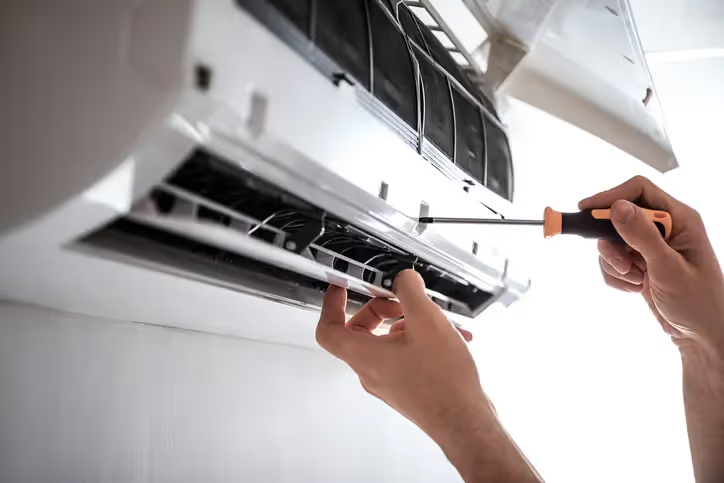
Understanding the process of a professional inspection helps homeowners prepare and ensures transparency regarding the service provided. The goal is to provide a clear picture of the system's health without disrupting the household routine. This process is designed to be thorough yet efficient, typically taking between one to two hours depending on the complexity and accessibility of the system.
- First, the technician arrives and conducts a preliminary discussion regarding any specific concerns, such as hot spots in the house or recent spikes in utility bills.
- Next, the thermostat is tested to verify proper cycling and communication with the air handling unit.
- The technician then proceeds to the indoor unit (often located in an attic, basement, or closet) to inspect the blower assembly, evaporator coil, and drainage system.
- Following the indoor check, the focus shifts to the outdoor condenser unit to clean the coils, check refrigerant pressures, and inspect the electrical compartment.
- Throughout the process, safety controls are tested to ensure the unit shuts down properly in the event of a malfunction, such as high pressure or water overflow.
- Finally, the technician compiles a detailed report of findings, categorizing issues by urgency, and reviews these results directly with the homeowner to discuss any recommended repairs or adjustments.
Interpreting Results: When to Repair vs. Replace
Following an inspection, you may be enhancing the lifespan of your current unit, or you might be facing a decision regarding significant repairs. Data gathered during the assessment in Carter Heating and Cooling inspections provides the factual basis for this decision. It is essential to weigh the cost of repairs against the age and efficiency of the system.
The Age and Refrigerant Factor
Air conditioners generally have a lifespan of 10 to 15 years. If a unit is approaching or has exceeded this range, major repairs are often not cost-effective.
- Systems utilizing older R-22 refrigerant are becoming prohibitively expensive to repair due to the phase-out of this chemical; upgrading to a system that uses R-410A or newer refrigerants is often the smarter financial move.
- If the unit is under 10 years old and the repair cost is reasonable, extending the life of the current system is usually the preferred route.
The "50% Rule" and Frequency of Breakdowns
Industry professionals often apply the "50% Rule" to guide investment decisions.
- If the cost of the necessary repair approaches 50% of the value of a brand-new system, replacement is generally recommended to secure a new warranty and improved efficiency.
- Frequent breakdowns are another indicator; if a system requires multiple service calls within a single year, the cumulative cost of "band-aid" fixes often exceeds the monthly financing cost of a modern, reliable unit.
Energy Efficiency and SEER Ratings
Inspection reports often reveal that an older unit, while functional, is operating at a low efficiency.
- A unit with a low Seasonal Energy Efficiency Ratio (SEER) rating consumes significantly more electricity to provide the same amount of cooling as a modern unit.
- If energy bills have been steadily climbing despite regular maintenance, the inspection may highlight that the compressor is drawing excessive amperage, signaling that the unit is nearing the end of its operational life.
Regional Considerations for System Maintenance
Operating an air conditioning system in Plum Springs requires specific attention to the local climate conditions. The humid subtropical climate means that air conditioners do double duty: they must cool the air and dehumidify it. This places specific demands on the equipment that must be addressed during an inspection.
Humidity Control and Biological Growth
High humidity levels in Kentucky can lead to moisture accumulation within the AC system.
- Inspecting the condensate drain pan and lines is critical, as algae and mold thrive in these damp, dark environments, potentially leading to clogs and indoor air quality issues.
- Technicians check that the blower motor speed is set correctly to allow the air enough "dwell time" over the coils to effectively remove moisture from the air.
Debris and Outdoor Unit Protection
The local flora and seasonal changes impact the outdoor condenser unit.
- Cottonwood, grass clippings, and falling leaves can form a mat over the condenser fins, suffocating the unit and causing head pressure to rise.
- Seasonal inspections ensure this debris is chemically cleaned from the coils, restoring proper airflow and preventing the compressor from overheating during peak summer temperatures.
Local Codes and Permitting
Any significant work identified during an inspection that requires component replacement or system alteration must adhere to local building codes.
- Qualified professionals ensure that electrical disconnects are easily accessible and that refrigerant handling complies with environmental regulations.
- Proper grounding and wire sizing are verified to meet current safety standards, which may have changed since the original installation of the equipment.
Why Professional Diagnostics Outperform DIY Checks
While homeowners can change filters and keep the area around the outdoor unit clear, a true assessment of AC health requires professional tools and training. Attempting to diagnose complex thermodynamic or electrical issues without proper equipment often leads to misdiagnosis or safety hazards.
Precision Tools for Accurate Readings
Measuring superheat and subcooling—critical metrics for refrigerant charge—requires simultaneous readings of pressure and temperature that cannot be guessed.
- Digital manifolds used by professionals provide real-time data on how the refrigerant is changing state inside the coils, identifying issues like non-condensables in the line set.
- Anemometers measure the velocity of air moving through the ducts, identifying imbalances that a hand-feel test would miss.
Safety and Liability
Air conditioners operate with high-voltage electricity and pressurized gases.
- Capacitors can store a lethal electrical charge even after power is disconnected; professionals know how to safely discharge these components before testing.
- mishandling refrigerant can result in severe frostbite or respiratory issues; certified technicians are trained in safe handling and recovery protocols.
Warranty Preservation
Most equipment manufacturers require proof of professional maintenance to keep warranties valid.
- DIY repairs or inspections often void these warranties, leaving the homeowner liable for the full cost of future part replacements.
- A documented service history from a licensed provider serves as proof of care, protecting the investment in the equipment.
Securing Your Home Comfort
A failing air conditioner in the middle of a heatwave is a stressful and preventable scenario. By prioritizing a professional inspection, homeowners gain clarity on the condition of their cooling infrastructure, ensuring reliable performance when it matters most. From verifying electrical safety to optimizing refrigerant levels for humidity control, a thorough assessment covers every angle of system health.
Whether the inspection reveals a need for minor adjustments or indicates that it is time to consider a more efficient replacement, having accurate data allows for informed decision-making. Carter Heating and Cooling focuses on providing the technical expertise required to keep homes cool, efficient, and safe throughout the changing seasons.
Do not wait for a breakdown to check your system's health. Secure your comfort and efficiency by booking your professional AC inspection now.

Great Service at a Fair Price
Veterans Discount


Senior Discount

Law Enforcement

Fire fighters/ems

Hear From Your Neighbors!
Hear from your neighbors to see how our commitment to dependable service and lasting comfort has made a difference in their homes.