
How can we help today?
Choose an option to see quick actions and get help faster.Heating Inspection in Plum Springs, KY
Heating Inspection in Plum Springs, KY
Heating Inspection in Plum Springs, KY
Is Your Furnace Making Strange Noises or Failing to Heat Evenly?
Don't wait for the chill to seep in; ensure your home is winter-ready with a comprehensive heating inspection that addresses immediate issues and prevents future problems. Contact us today to schedule your safety check and performance analysis. Homeowners in Plum Springs need reliable heat to handle the shift from humid summers to the distinct chill of Kentucky winters.
- Immediate booking available — don't wait to ensure your comfort.
- Expert technicians on-call 24/7 to service any heating system.
- Detailed inspection report with actionable recommendations.
Fully licensed in Kentucky, ensuring compliance and peace of mind with every visit.
What To Expect From a Professional Heating Inspection
A heating inspection is a rigorous examination of your entire HVAC system designed to uncover potential failures before they leave you in the cold. When you request this service, you are paying for a technical audit of your furnace or heat pump’s performance, safety, and efficiency. This goes far beyond a quick visual check; it involves calibrated tools, pressure testing, and electrical analysis.
The primary goal during an inspection is safety and operational integrity. Technicians focus on critical components that dictate whether your system can handle the load of a full winter season in Plum Springs.
- Thermostat Calibration: The process begins at the controls. Technicians verify that the thermostat reads the indoor temperature accurately and communicates effectively with the heating unit. A miscalibrated thermostat can cause the system to cycle on and off too frequently, leading to wear and tear.
- Electrical Connection Tightening: Loose wiring can cause arcing, blown fuses, or even electrical fires. Inspectors tighten all connections, measure voltage, and check the amperage draw on motors to ensure they are operating within manufacturer specifications.
- Heat Exchanger Analysis: This is the most critical safety step for gas furnaces. The heat exchanger separates combustion gases from the air you breathe. Inspectors look for cracks or corrosion that could allow carbon monoxide to leak into your living space.
- Ignition and Burner Assembly: For gas systems, the burners must be clean to ensure proper combustion. Technicians check the ignition switch, pilot light, or hot surface igniter for reliability. Improper ignition can lead to "delayed ignition," which causes a small boom when the furnace starts.
- Airflow and Filter Check: Restricted airflow is a leading cause of system overheating. The inspection includes checking the blower motor for debris, assessing the condition of the air filter, and ensuring supply and return vents are unobstructed.
- Safety Control Testing: Every modern furnace has safety switches designed to shut the system down if it overheats or if the flame rolls out. These limits and switches are manually tested to prove they will function correctly in an emergency.
- Exhaust Venting Inspection: Combustion gases must be vented safely outside. Inspectors check the flue pipe for blockages, rust, or back-drafting, which can pull dangerous fumes back into the home.
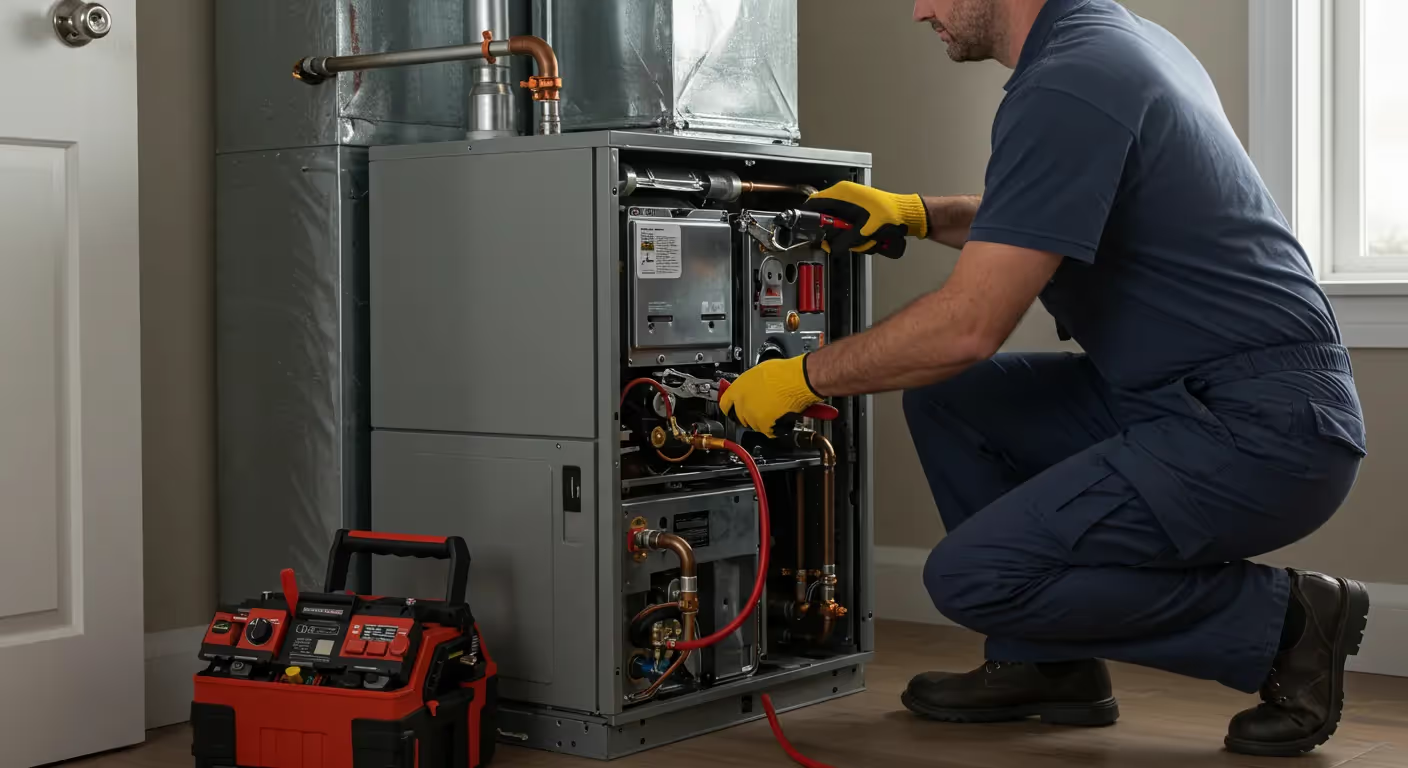
The Heating Inspection Process
Understanding the workflow of a professional visit helps you prepare for the appointment. The process is systematic, ensuring no component is overlooked. While the duration varies based on the complexity of the system, the sequence remains consistent to ensure high standards of quality.
- Arrival and System History: The technician arrives and briefly discusses any specific concerns you have noticed, such as odd smells, cold spots in the house, or rising energy bills.
- Visual Assessment: Before opening the unit, a visual scan of the area identifies hazards like water leaks, combustible materials stored too close to the furnace, or obvious structural damage.
- System Shutdown and Interior Access: Power to the unit is turned off to safely remove access panels. This exposes the blower, burners, and electrical compartments for hands-on testing.
- Component Testing: The technician moves through the technical checklist, utilizing multimeters, manometers (for gas pressure), and combustion analyzers. This data is recorded to compare against the unit’s original specifications.
- Operational Cycle: The system is powered back on and forced to run. The technician measures the "temperature rise," which is the difference in temperature between the air entering the furnace and the air leaving it. This metric confirms if the unit is generating the correct amount of heat.
- Reporting and Recommendations: Once the inspection is complete, the technician compiles a report. This document details the health of the system, categorizes any issues by urgency, and provides a clear picture of what is needed to maintain efficiency.
Deciding Between Repair and Replacement
During an inspection, issues may be discovered that require a decision. Knowing when to repair a specific part versus when to invest in a new system is a financial calculation based on age, cost, and reliability.
- The 50% Rule: If the cost of the necessary repair approaches 50% of the value of a new system, replacement is generally the better financial move — apply for HVAC financing to manage the cost.
- System Age: Heating systems typically last between 15 and 20 years. If your unit is over 15 years old and requires a significant repair, such as a blower motor or control board, inspection results often suggest that replacement offers better long-term value due to efficiency gains.
- Frequency of Breakdowns: If you have required multiple repairs in the last two years, the system is likely unreliable. An inspection can reveal if the rest of the components are also nearing the end of their lifecycle.
- Safety Violations: If an inspection reveals a cracked heat exchanger, the unit must be shut down immediately due to carbon monoxide risks. In this scenario, replacement is almost always the only safe option, as replacing a heat exchanger is labor-intensive and costly.
- Efficiency Ratings: Older units may operate at 60-70% AFUE (Annual Fuel Utilization Efficiency). Modern units are often 90% or higher. If the inspection shows that your unit is safe but extremely inefficient, calculating the potential energy savings can justify a replacement.
Regional Considerations for Heating Systems
Operating a heating system in Kentucky presents specific challenges due to the local climate and regulatory environment. The distinct four-season weather pattern means your system sits idle for months before being pushed to maximum capacity, which increases the risk of start-up failure.
- Variable Winter Temperatures: Winters here average in the mid-40s but can experience sharp drops. A system that works fine in 45-degree weather may struggle when the temperature hits 20 degrees. Inspections verify the system's capacity to handle these peak loads without short-cycling.
- Humidity Management: Even in winter, moisture control matters. Inspection of the condensate drain (for high-efficiency furnaces and heat pumps) is vital. Blocked drains can cause water damage or shut the system down completely.
- Permitting and Codes: Kentucky has strict HVAC licensing requirements to protect homeowners. Any significant repair or replacement identified during an inspection must be performed by a licensed contractor. Compliance with local codes ensures that your insurance remains valid and your home remains safe.
- Gas vs. Electric: Many homes in the region rely on gas furnaces, while others use heat pumps. The inspection protocol differs slightly; gas focuses heavily on combustion safety, while heat pumps focus on refrigerant levels and the defrost cycle.
Why Professional Assessment Matters
Relying on a professional assessment provides data that guesswork cannot. Homeowners often mistake a running furnace for a healthy furnace. However, a system can run while leaking gas, wasting energy, or slowly burning out its compressor.
Carter Heating and Cooling provides the technical expertise required to identify these silent issues — read our reviews to see why neighbors trust us. A professional assessment validates the manufacturer’s warranty, which often requires proof of annual maintenance. It also optimizes the system’s energy consumption. When components like blower wheels are clean and gas pressure is dialed in, the system uses less energy to produce the same amount of heat.
Furthermore, professional inspections provide documentation. If you plan to sell your home in Plum Springs, having a record of regular, professional inspections demonstrates to buyers that the mechanical systems have been well-maintained, potentially increasing the property's value and smoothing the inspection phase of the sale.
Secure Your Comfort and Safety
A heating system is a complex machine that involves high-voltage electricity, combustible gases, and rapidly moving parts. Ignoring its maintenance needs invites unexpected breakdowns, often at the most inconvenient times. A scheduled inspection is the most cost-effective way to mitigate risk and ensure your home remains warm throughout the season.
Don't leave your comfort to chance this winter. Secure a thorough evaluation from a team that understands the local climate and technical requirements. Contact Carter Heating and Cooling today to book your comprehensive heating inspection.

Great Service at a Fair Price
Veterans Discount


Senior Discount

Law Enforcement

Fire fighters/ems

Hear From Your Neighbors!
Hear from your neighbors to see how our commitment to dependable service and lasting comfort has made a difference in their homes.